
- Between school hours, homework, sports practice, and music lessons, many children’s schedules look busier than an adult’s calendar.
- So, how do you keep them engaged without burning them out?
- The answer lies in balance, not addition.
- Here’s how to build a healthy routine that supports school, extracurriculars, and rest, all at once.
- Why Balance Matters More Than a Packed Schedule A full schedule doesn’t always mean a productive one.
Between school hours, homework, sports practice, and music lessons, many children’s schedules look busier than an adult’s calendar. So, how do you keep them engaged without burning them out?
The answer lies in balance, not addition. Here’s how to build a healthy routine that supports school, extracurriculars, and rest, all at once.
Why Balance Matters More Than a Packed Schedule
A full schedule doesn’t always mean a productive one. Without enough rest, children struggle to retain information, regulate emotions, and stay motivated, even when their activities are genuinely enjoyable.
This is exactly why experiential learning school environments in Gurgaon focus on depth over volume, encouraging fewer, more meaningful activities instead of overcrowded schedules.
Signs Your Child’s Routine Needs Rebalancing
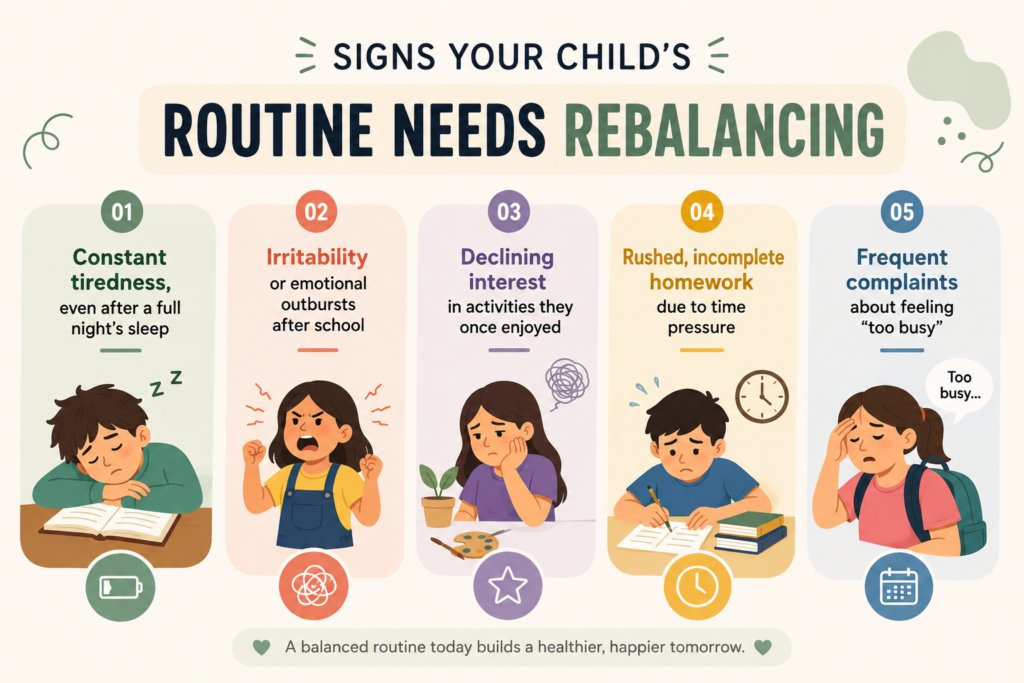
- Constant tiredness, even after a full night’s sleep
- Irritability or emotional outbursts after school
- Declining interest in activities they once enjoyed
- Rushed, incomplete homework due to time pressure
- Frequent complaints about feeling “too busy”
Building a Balanced Daily Routine
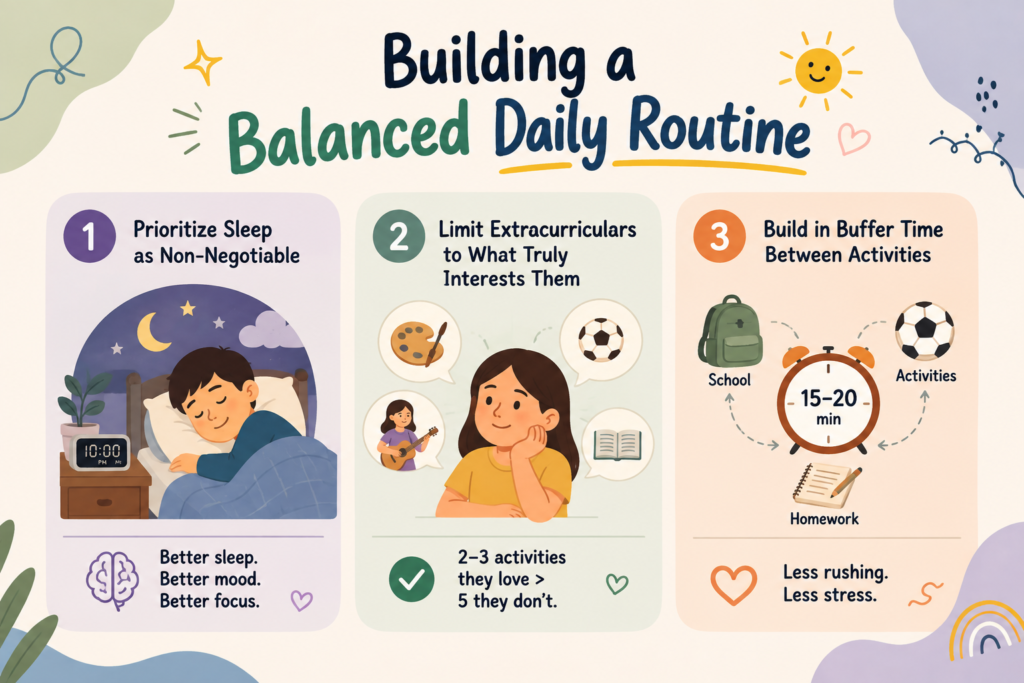
1. Prioritize Sleep as Non-Negotiable
Consistent sleep schedules support memory, mood, and focus far more than an extra hour of practice ever could.
2. Limit Extracurriculars to What Truly Interests Them
Two or three well-chosen activities usually work better than five rushed ones. Quality matters more than quantity here.
3. Build in Buffer Time Between Activities
A 15–20 minute gap between school, activities, and homework prevents constant rushing and reduces stress.
4. Protect Unstructured Downtime
Free, unscheduled time allows children to decompress, something structured activities alone can’t replace.
5. Involve Kids in Planning Their Own Schedule
Letting children have a say in their weekly routine builds ownership and reduces resistance to structure.
6. Reassess the Routine Every Few Months
As academic demands or interests shift, routines should adapt too, rather than staying fixed all year.
Quick Reference: Weekly Balance Snapshot
| Time Block | Recommended Focus |
|---|---|
| Weekday mornings | Consistent routine, no rushing |
| After-school hours | 1–2 activities max, with breaks |
| Evenings | Homework, wind-down time, sleep prep |
| Weekends | Rest, family time, lighter academics |
Why Rest Deserves Equal Priority
Rest isn’t the absence of productivity, it’s what makes sustained learning and performance possible. Children who get adequate downtime tend to focus better, manage stress more effectively, and enjoy their activities more fully.
This mirrors how holistic education school models approach development, treating wellbeing as equally important as academic and extracurricular achievement.
A Vega School Perspective
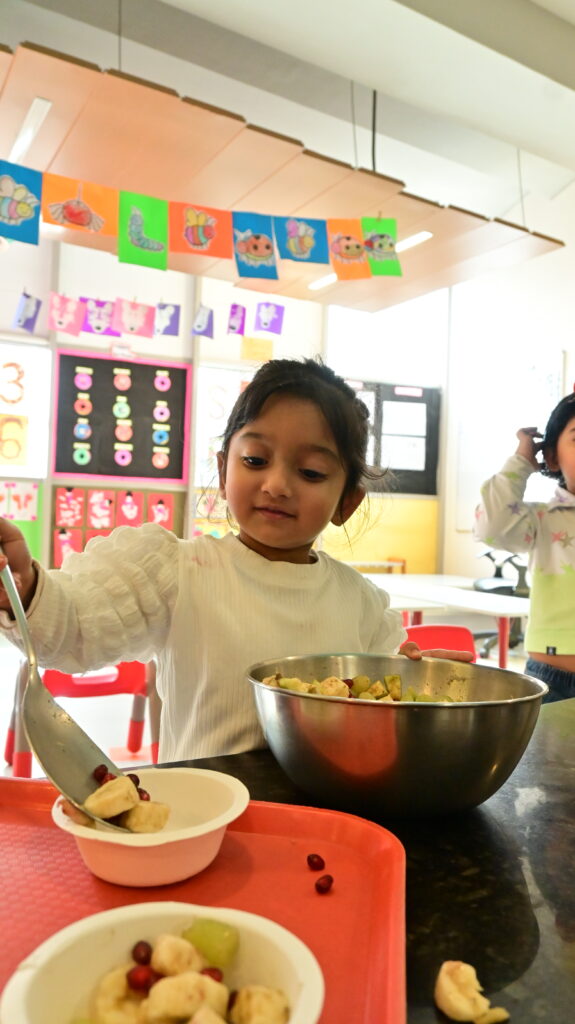
At Vega School, a progressive CBSE school in Gurgaon with campuses in Sector 48 and Sector 76 Gurugram, routines are designed to nurture curiosity without overwhelming students, helping children thrive academically while still having room to rest, play, and simply be kids.
FAQs
1. How many extracurricular activities should a child have at once?
Generally, two to three well-chosen activities work better than an overloaded schedule with five or more.
2. How much sleep do school-going children need?
Most children need 9–11 hours of sleep, depending on age, to support learning and emotional regulation.
3. My child resists downtime and wants to stay busy. What should I do?
Gently introduce short breaks and explain how rest actually improves performance in their favourite activities.
4. Should weekends include academic catch-up time?
Light, flexible academic time is fine, but weekends should prioritise rest and family time overall.
5. How do schools in Gurgaon support balanced routines for students?
Progressive CBSE schools in Gurgaon increasingly design schedules that balance academics, extracurriculars, and downtime intentionally.
⚖️ The Routine Balance Checker
Answer 5 quick questions to see how balanced your child’s weekly routine really is.
Curious how Vega School supports balanced, healthy routines for students? Explore admissions at Vega School, a progressive CBSE school in Gurgaon with campuses in Sector 48 and Sector 76 Gurugram.