
- Can singing a song or acting out a scene actually make your child smarter?
- Music and drama do far more than entertain, they strengthen memory, language, and emotional intelligence in ways traditional worksheets rarely can.
- Here’s how the arts quietly build brain power, and why forward-thinking schools in Gurgaon are placing them at the center of learning, not the sidelines.
- Why the Arts Matter for Brain Development When children engage with music or drama, multiple areas of the brain activate simultaneously, language, memory, motor skills, and emotion.
- This kind of multi-sensory engagement strengthens neural connections far more than passive learning.
Can singing a song or acting out a scene actually make your child smarter? Research increasingly says yes. Music and drama do far more than entertain, they strengthen memory, language, and emotional intelligence in ways traditional worksheets rarely can.
Here’s how the arts quietly build brain power, and why forward-thinking schools in Gurgaon are placing them at the center of learning, not the sidelines.
Why the Arts Matter for Brain Development
When children engage with music or drama, multiple areas of the brain activate simultaneously, language, memory, motor skills, and emotion. This kind of multi-sensory engagement strengthens neural connections far more than passive learning.
This is exactly why experiential learning school environments in Gurgaon increasingly weave music and drama into everyday academics, not just extracurricular time.
How Music Boosts Brain Power
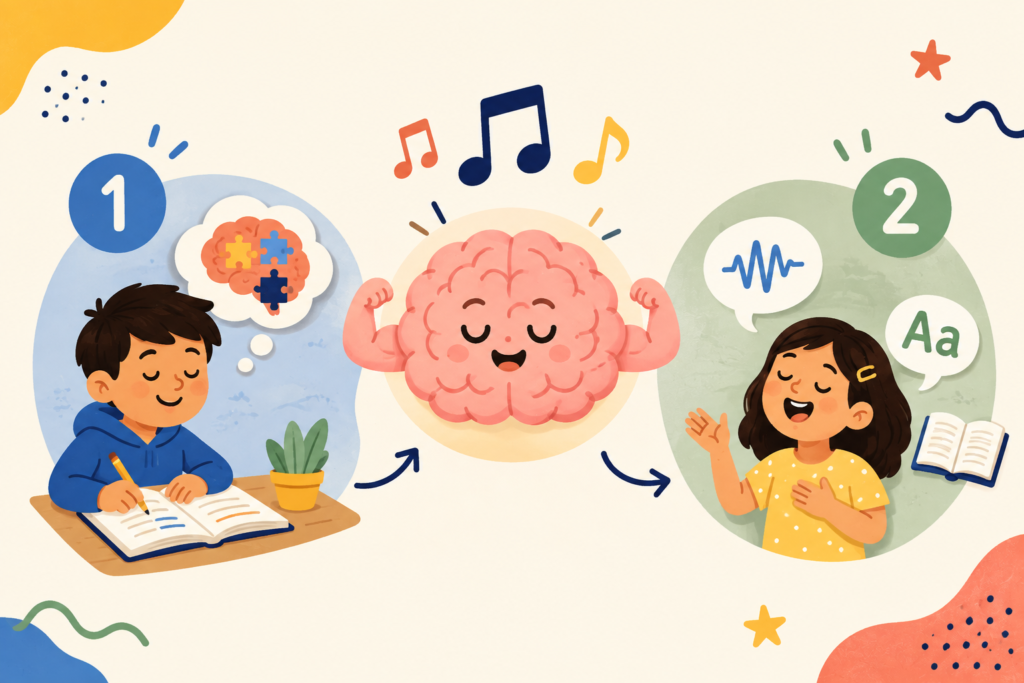
1. Strengthens Memory
Learning rhythms, lyrics, and patterns trains the brain to recall sequences, a skill that transfers directly to memorizing facts and formulas.
2. Improves Language Development
Music exposes children to tone, pitch, and pattern recognition, all of which support early language and reading skills.
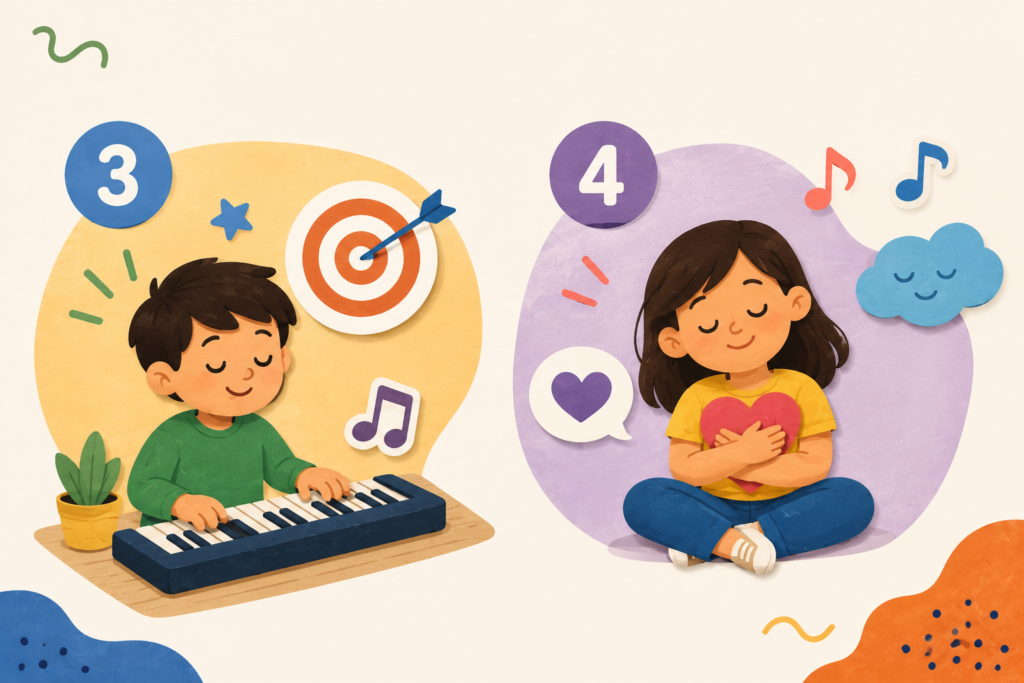
3. Enhances Focus and Discipline
Learning an instrument requires sustained attention and practice, building patience and concentration over time.
4. Supports Emotional Regulation
Music offers children a healthy outlet to express and process emotions, especially during stressful periods like exams.
How Drama Boosts Brain Power
1. Builds Confidence and Communication
Acting out scenes helps children articulate thoughts clearly and speak with confidence in front of others.
2. Strengthens Empathy
Playing different characters teaches children to understand perspectives beyond their own, a core emotional intelligence skill.
3. Encourages Quick Thinking
Improvisation exercises train children to think on their feet and problem-solve in real time.
4. Improves Collaborative Skills
Group performances teach teamwork, listening, and shared responsibility, skills that extend well into classroom projects.
Quick Reference: Skill Built by Art Form
| Art Form | Core Brain Skill Developed |
|---|---|
| Music | Memory, pattern recognition, focus |
| Drama | Communication, empathy, confidence |
| Both | Emotional regulation, creativity |
Bringing the Arts Into Everyday Learning
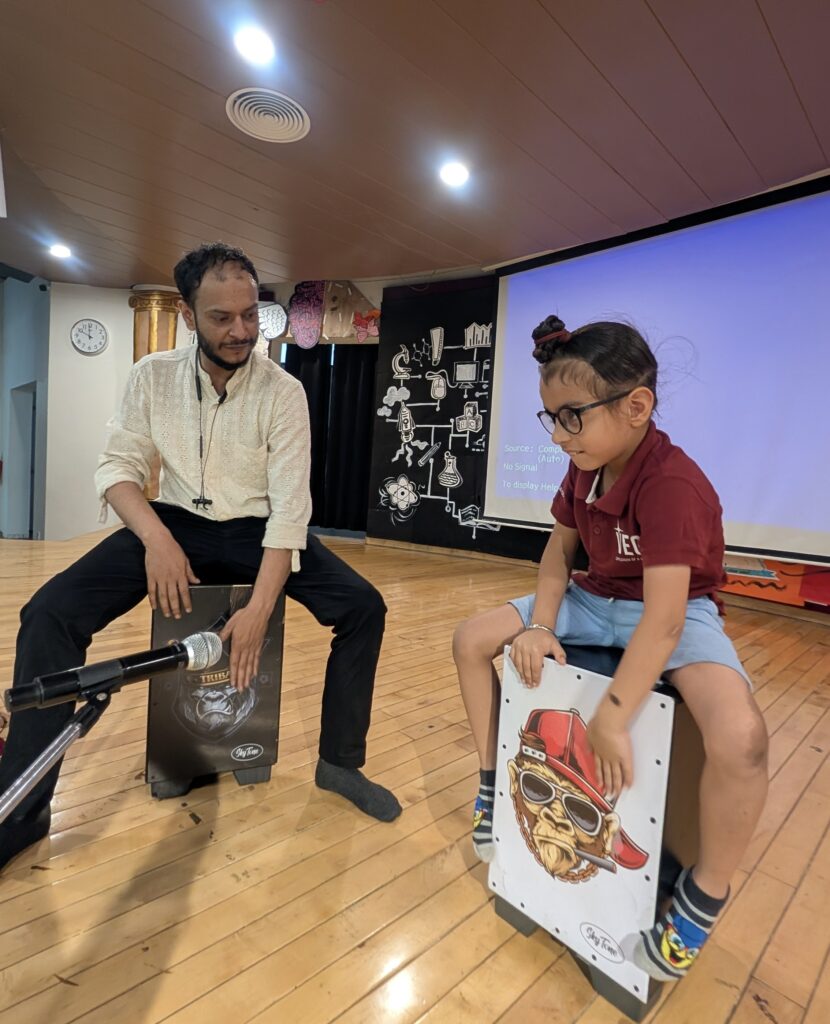
- Encourage humming, singing, or simple instrument play at home.
- Turn storytelling into mini role-play sessions.
- Attend school performances and discuss what your child enjoyed.
- Avoid treating arts as “extra”, frame them as core to development.
Why Schools Are Prioritizing the Arts Today
Modern, holistic education school models recognize that academic success isn’t built on textbooks alone. Music and drama support cognitive growth in ways that complement, not compete with, core subjects like math and science.
This is central to how project based learning school environments approach education, blending creativity with critical thinking rather than separating them.
A Vega School Perspective
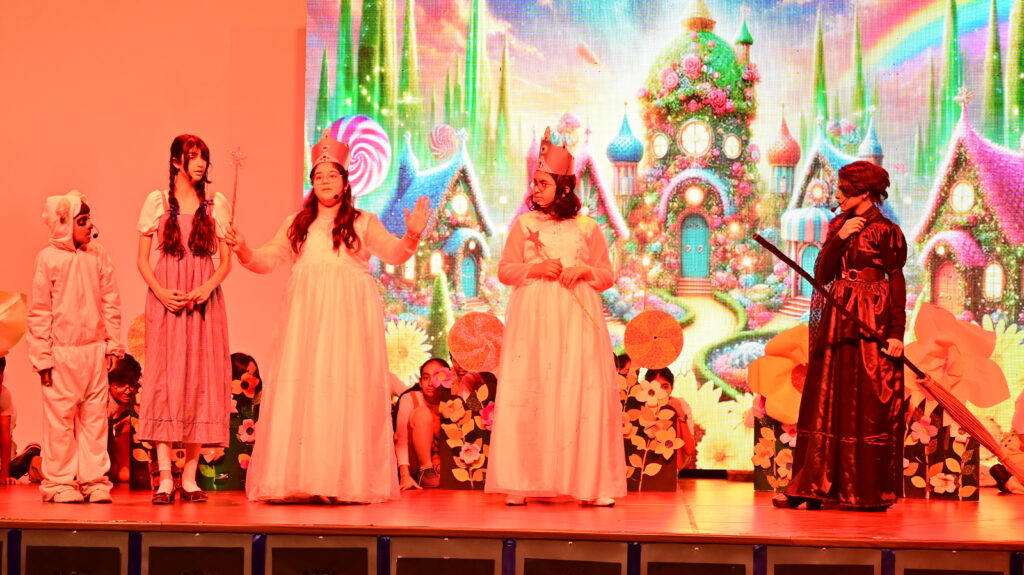
At Vega School, a progressive CBSE school in Gurgaon with campuses in Sector 48 and Sector 76 Gurugram, music and drama are integrated into the everyday classroom experience, not treated as optional add-ons. This reflects a broader belief that creativity and cognitive development go hand in hand.
FAQs
1. At what age should children start music or drama activities?
Children can begin simple music and drama exposure as early as age 3–4, through play-based activities.
2. Does learning music actually improve academic performance?
Yes, studies link music training to stronger memory, focus, and language development, all of which support academics.
3. My child is shy, will drama help or overwhelm them?
Drama, introduced gradually through small group activities, often builds confidence rather than increasing anxiety.
4. How much time should be dedicated to arts weekly?
Even 2–3 sessions a week can meaningfully support brain development alongside academic learning.
5. How do schools in Gurgaon integrate arts into academics?
Progressive CBSE schools in Gurgaon increasingly combine music, drama, and experiential learning with core subjects for holistic development.
Curious how Vega School blends creativity with academics? Explore admissions at Vega School, a progressive CBSE school in Gurgaon with campuses in Sector 48 and Sector 76 Gurugram.