
- When families visit a school, the tour usually follows a familiar route: the smart boards, the sports courts, the science labs, the library, and the auditorium.
- A safe, well-equipped campus is a foundation, and no one should apologize for caring about it. But after years of watching children learn, we at Vega Schools, a CBSE school in Gurgaon (Gurugram), keep returning to one question: if you removed the building, what would remain of the education? What Makes a Good School: Teaching and Culture, Not Buildings Two schools can have identical facilities and produce completely different outcomes.
- The difference lies in what happens inside the classroom: Are children asked to remember, or think? Do they wait for answers, or learn to find them? Is a mistake treated as failure, or as information? Does every child feel known by the adults around them? A school becomes good when its culture, its teachers and its way of teaching consistently answer these questions well. Why a Happy Classroom Is Central to What Makes a Good School “Happy classroom” is sometimes dismissed as a nice-to-have.
- Children who feel safe, respected, and curious take intellectual risks.
- They ask unusual questions, attempt the harder problem, and recover from setbacks faster. A happy classroom is not one without rigor.
When families visit a school, the tour usually follows a familiar route: the smart boards, the sports courts, the science labs, the library, and the auditorium. These matter. A safe, well-equipped campus is a foundation, and no one should apologize for caring about it.
But after years of watching children learn, we at Vega Schools, a CBSE school in Gurgaon (Gurugram), keep returning to one question: if you removed the building, what would remain of the education?
What Makes a Good School: Teaching and Culture, Not Buildings
Two schools can have identical facilities and produce completely different outcomes. The difference lies in what happens inside the classroom:
- Are children asked to remember, or think?
- Do they wait for answers, or learn to find them?
- Is a mistake treated as failure, or as information?
- Does every child feel known by the adults around them?
A school becomes good when its culture, its teachers and its way of teaching consistently answer these questions well.
Why a Happy Classroom Is Central to What Makes a Good School
“Happy classroom” is sometimes dismissed as a nice-to-have. It isn’t. Children who feel safe, respected, and curious take intellectual risks. They ask unusual questions, attempt the harder problem, and recover from setbacks faster.
A happy classroom is not one without rigor. It is one where:
- Relationships come first. Teachers know each learner’s strengths, fears, and interests.
- Voice is real. Students help shape how they learn, not just what they are told to do.
- Effort is valued over perfection. Struggle is normal, and visible progress is celebrated.
- Joy and challenge coexist. Learners are stretched because they feel supported.
When children look forward to walking into a room, learning follows.
21st Century Skills in Schools: How Project-Based Learning Makes Them Real
“21st century skills” appears in nearly every school brochure. The real test is whether they are practiced daily or only printed on a banner. Critical thinking, creativity, collaboration, communication, adaptability, and self-direction cannot be taught through a lecture about them. They grow when students work on real problems.
This is why project and problem-based learning sit at the heart of how we think about education. When a learner investigates a genuine question, works with peers, hits a dead end, rethinks and presents their findings, they are building exactly the capacities that no exam can fully measure. They also learn what matters most for an uncertain future: how to learn, unlearn, and relearn.
Why Great Teachers Are What Makes a Good School
The most important investment any school makes is its educators. A good school:
- treats teachers as learners, with regular, meaningful professional development
- gives them time to collaborate, reflect and refine their practice
- trusts them to design learning, not just deliver a syllabus
- builds a culture where feedback is welcomed rather than feared
When teachers grow, classrooms grow with them.
So, What Makes a Good School? Six Signs to Look For
Having walked to many classrooms, we would put it this way. A good school is one where:
- Children are known and feel they belong.
- Learning is purposeful, connected to real problems and real people.
- Skills and character are built alongside knowledge.
- Teachers are supported to keep learning by themselves.
- Families are partners on the journey, not spectators.
- Joy is part of the design, not an accident.
Infrastructure supports all of this, but it cannot replace any of it.
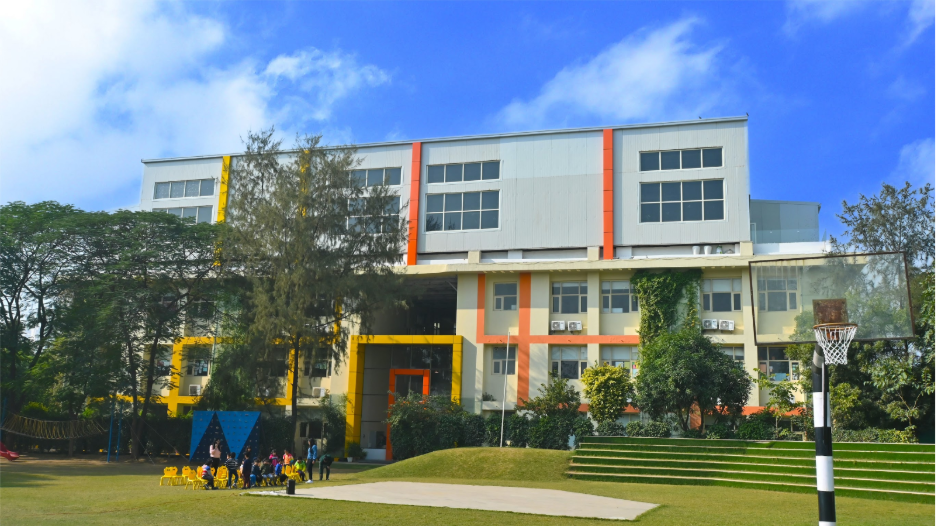
How to Choose a Good School in Gurgaon: A Question for Parents
On your next school visit, look past the facilities for a moment. Sit in a classroom. Watch how a teacher responds when a child gets something wrong. Notice whether students are asking questions or only answering them. Ask what children do with what they learn.
That is where you will find the answer to what makes a good school, whether you are comparing schools in Gurgaon or anywhere else.
Visit Vega Schools in Gurgaon
Vega Schools is a CBSE school in Gurgaon, Haryana, with two campuses: the Sector 48 campus on Sohna Road, opposite Eldeco Mansionz, and the Sector 76 campus near Emaar Palm Heights. Families in Gurugram are welcome to book a campus visit, see our classrooms in action and speak to our team about admissions.
At Vega Schools, we invite you to visit, observe, and ask us anything. The best way to understand a school is to experience its learning in action.