
- But for children today — especially in high-pressure academic environments — a single mistake can feel like the end of the world.
- Resilience isn’t something you’re born with.
- It’s something you build, day by day, at home and at school.
- Why Are Children So Afraid of Making Mistakes?
- In India, performance pressure starts early.
Nobody likes getting things wrong. But for children today, especially in high-pressure academic environments — a single mistake can feel like the end of the world. The good news? Resilience isn’t something you’re born with. It’s something you build, day by day, at home and at school.
Why Are Children So Afraid of Making Mistakes?
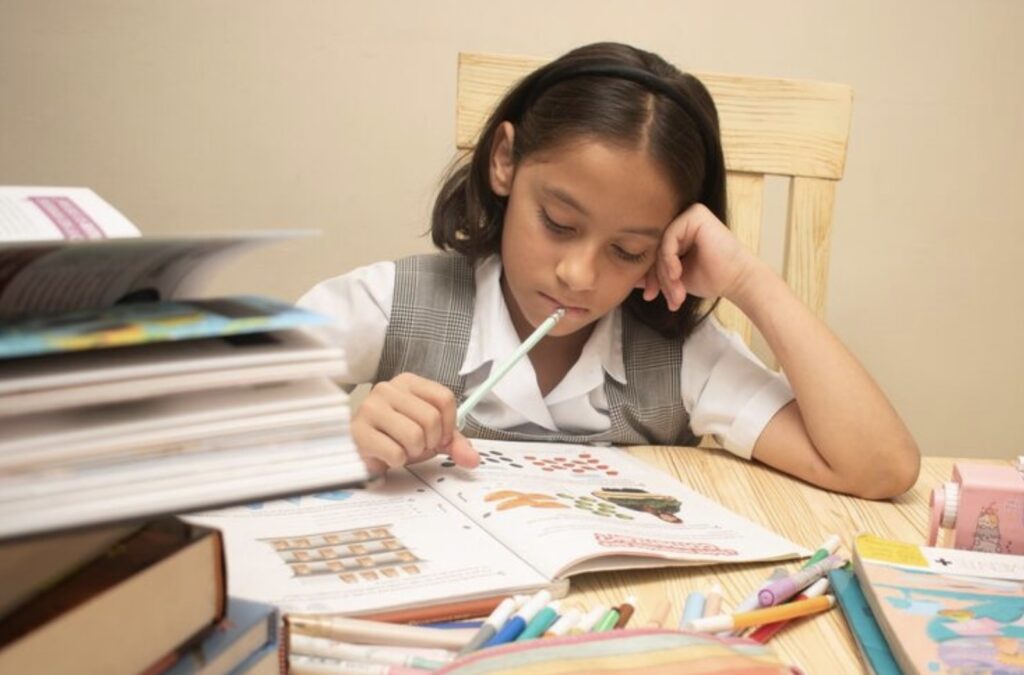
In India, performance pressure starts early. Marks, ranks, comparisons at PTMs, children absorb all of it. Over time, many begin to believe that a wrong answer doesn’t just mean they got something incorrect. It means they are not good enough.
This fear leads to avoidance. Children stop raising their hands. They won’t try something new unless success is guaranteed. And that’s where real learning stops.
The Mindset Shift That Changes Everything
Stanford psychologist Carol Dweck’s research introduced the world to two ways children think about ability:
| Fixed Mindset | Growth Mindset |
|---|---|
| “I’m just not good at this” | “I can get better with practice” |
| Avoids challenges | Embraces challenges |
| Gives up easily | Persists through difficulty |
| Sees effort as pointless | Sees effort as the path forward |
Children with a growth mindset don’t fear mistakes, they treat them as information. Schools like Vega Schools, Gurgaon actively build this mindset into everyday learning, encouraging children to value the process of thinking over just getting the right answer.
Small Things Parents Can Do Today
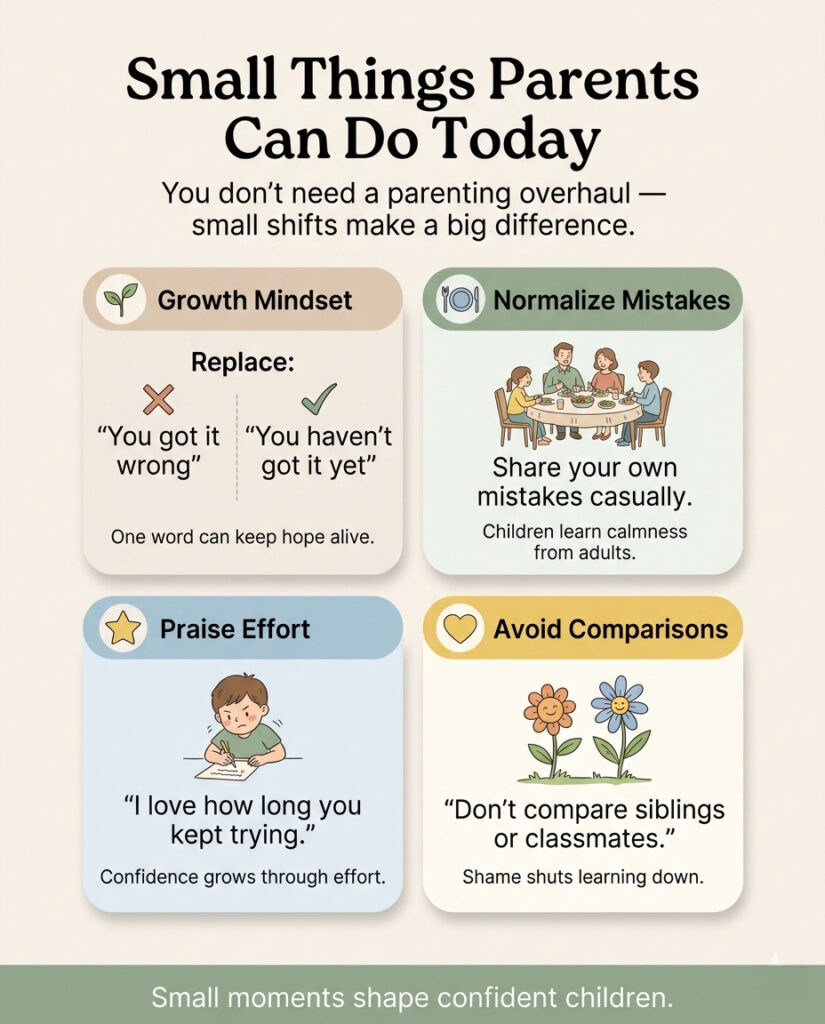
You don’t need a parenting overhaul. These small, consistent shifts make a real difference:
- Replace “you got it wrong” with “you haven’t got it yet“ — that one word keeps hope alive
- Share your own mistakes casually at the dinner table — children normalise what they see adults handle calmly
- Praise effort, not just results — “I love how long you kept trying” builds more confidence than “you’re so smart”
- Avoid comparisons — being measured against a sibling or classmate after a mistake creates shame, and shame shuts learning down completely
The Perfectionist Trap
Perfectionist children often look like high achievers, but they’re quietly fragile. They avoid anything they might not do perfectly, procrastinate, and give up the moment something feels hard.
With these children especially, focus on the how, how they approached a problem, how they kept going, how they tried something differently. That’s where real confidence lives, not in the result alone.
Resilience Isn’t Toughness, It’s a Skill
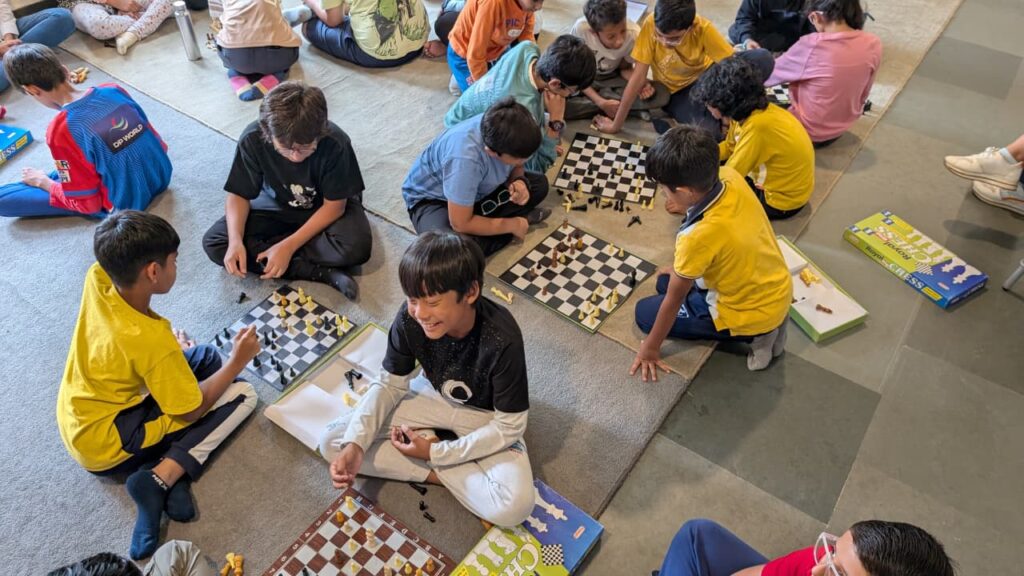
Here’s a common misconception: resilience means never getting upset. It doesn’t. It’s completely okay for a child to feel frustrated or disappointed when things go wrong.
Resilience is about feeling all of that and still finding a way forward. And the best part? It can be taught. It can be modelled. Every time an adult handles a setback with calm and curiosity, a child is watching and learning.
FAQs
1. At what age should I start teaching my child about resilience? As early as 3–4 years old, through play, small challenges, and how you react to their mistakes at home.
2. Is it okay to let my child fail? Yes. Controlled, safe failure is one of the most powerful learning experiences a child can have.
3. How do I know if my child has a fixed mindset? Watch for phrases like “I can’t do this” or “I’m just not good at it” and gently challenge them with “not yet.”
4. Does praising effort really make a difference? Absolutely. Research consistently shows effort-based praise builds longer-lasting confidence than ability-based praise.
5. How do schools like Vega Schools build resilience? Through growth mindset practices, safe classroom environments, and focusing on thinking processes, not just correct answers.
Infrastructure, facilities, and experienced teachers are a big asset to the learning & development of students, be it for Nursery, Primary or Senior children making Vega Schools the best schools in Gurgaon. For information about admission, please visit the Vega Schools campuses in Sector 48 and Sector 76 Gurugram. Get the best education for you child in New Gurgaon and be part of the top school infrastructure for sector 78, Sector 83, Sector 85, Sector 90, Sector 102, Sector 106 in Gurgaon, near Dwarka Expressway.