
- Choosing the right school for your child is one of the most important decisions parents make.
- Beyond infrastructure, facilities, curriculum, and academic results, an equally important consideration is whether the school’s teaching approach aligns with your child’s individual learning needs. Every child brings different experiences, interests, strengths, and abilities to the classroom.
- While some children may benefit from observing demonstrations, others may develop a deeper understanding through questioning, experimenting, exploring, or engaging in hands-on learning experiences. For parents exploring schools in Gurgaon, understanding a school’s educational philosophy and teaching methodology can help them make a more informed admission decision. At Vega Schools in Gurgaon, the focus is on understanding the learner rather than expecting every learner to fit into a predefined educational pattern. Why a School’s Teaching Approach Matters for Your Child A school’s teaching methodology plays an important role in shaping how children develop knowledge, confidence, curiosity, and essential life skills. Effective teaching methods in schools go beyond delivering information and completing the curriculum.
- They create opportunities for learners to ask questions, explore ideas, make connections, and apply their knowledge to real-world situations. A child-centered learning environment recognizes that children may require different levels of guidance, time, and opportunities to develop their understanding. This is why, during school admissions, parents must look beyond what a school teaches and ask how it understands and supports the learner. Questions Parents Should Ask During School Admissions When choosing a school for your child, asking the right questions can reveal a great deal about the school’s educational philosophy, classroom environment, and approach to personalized learning. 1.
- How Will the School Understand My Child’s Individual Learning Needs? One of the most important questions parents can ask during an admission interaction is: “How will you understand my child’s individual learning needs, and how will you support them accordingly?” Does the school recognize individual strengths and areas for improvement, or does it expect every child to learn at the same pace?
Choosing the right school for your child is one of the most important decisions parents make. Beyond infrastructure, facilities, curriculum, and academic results, an equally important consideration is whether the school’s teaching approach aligns with your child’s individual learning needs.
Every child brings different experiences, interests, strengths, and abilities to the classroom. While some children may benefit from observing demonstrations, others may develop a deeper understanding through questioning, experimenting, exploring, or engaging in hands-on learning experiences.
For parents exploring schools in Gurgaon, understanding a school’s educational philosophy and teaching methodology can help them make a more informed admission decision.
At Vega Schools in Gurgaon, the focus is on understanding the learner rather than expecting every learner to fit into a predefined educational pattern.
Why a School’s Teaching Approach Matters for Your Child
A school’s teaching methodology plays an important role in shaping how children develop knowledge, confidence, curiosity, and essential life skills.
Effective teaching methods in schools go beyond delivering information and completing the curriculum. They create opportunities for learners to ask questions, explore ideas, make connections, and apply their knowledge to real-world situations.
A child-centered learning environment recognizes that children may require different levels of guidance, time, and opportunities to develop their understanding.
This is why, during school admissions, parents must look beyond what a school teaches and ask how it understands and supports the learner.
Questions Parents Should Ask During School Admissions
When choosing a school for your child, asking the right questions can reveal a great deal about the school’s educational philosophy, classroom environment, and approach to personalized learning.
1. How Will the School Understand My Child’s Individual Learning Needs?
One of the most important questions parents can ask during an admission interaction is:
“How will you understand my child’s individual learning needs, and how will you support them accordingly?”
Does the school recognize individual strengths and areas for improvement, or does it expect every child to learn at the same pace? Does it create opportunities for children to explore their interests, or does it primarily focus on completing the curriculum?
At Vega Schools, learning begins with curiosity and inquiry. Educators can gain insights into a learner’s understanding by observing how they approach challenges, express ideas, collaborate, and apply their knowledge.
This approach encourages meaningful learning while recognizing the individual needs of each child.
2. How Does the School Support Children Who Learn at Different Paces?
Parents should also ask:
“What happens if my child takes longer to understand a concept or approaches a problem differently from others?”
A meaningful learning environment recognizes that different pathways can lead to understanding. It provides children with appropriate guidance, feedback, and opportunities to practice rather than measuring their potential through a single benchmark.
At Vega Schools, inquiry, exploration and curiosity are integral to the learning philosophy. These experiences help educators recognise individual strengths while identifying areas where learners may need additional support.
3. How Does the School Develop Critical Thinking and Independent Problem-Solving Skills?
Another important question to consider is:
“How will you ensure that my child develops analytical thinking, confidence and the ability to solve problems independently?”
Critical thinking, creativity and problem-solving are essential 21st-century learning skills. These abilities cannot be developed through memorization alone.
They grow when children are encouraged to ask meaningful questions, examine possibilities, make connections, learn from mistakes, and reflect on their thinking.
An educational approach that encourages active participation and experiential learning can help children become more confident and independent thinkers.
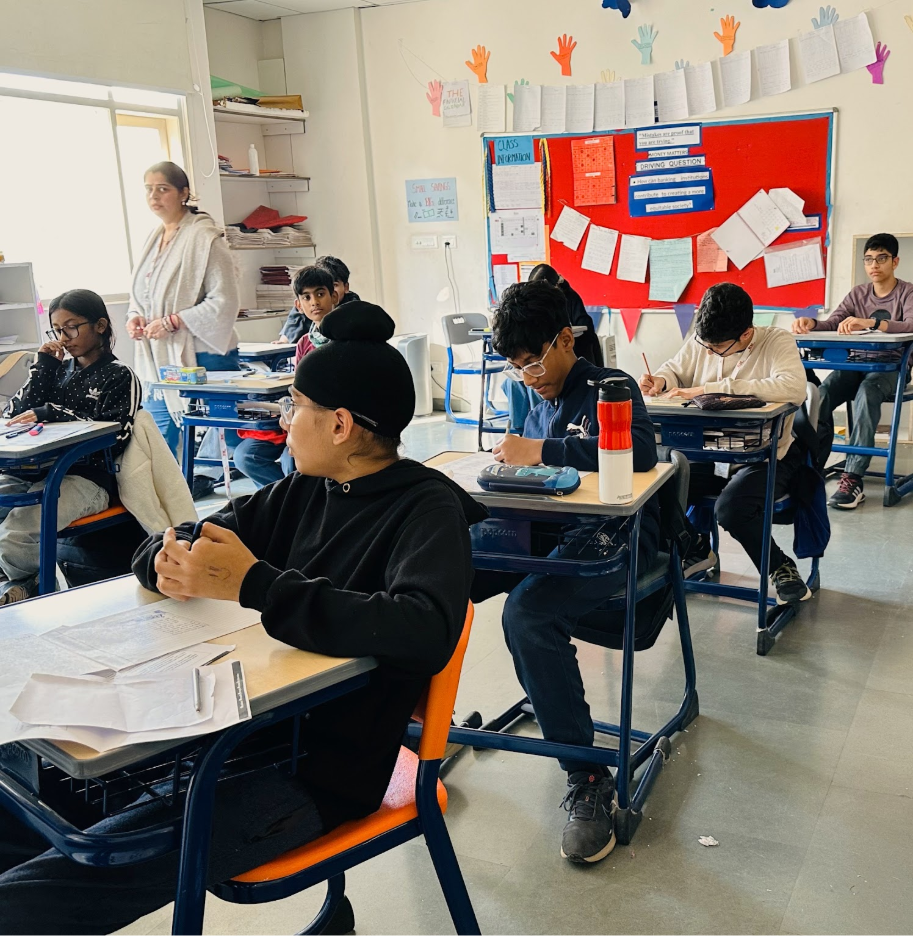
How Problem-Based Learning Supports Individual Learning Needs
At Vega Schools, Problem-Based Learning (PBL) is central to the educational philosophy.
Rather than focusing solely on delivering information, Problem-Based Learning creates meaningful opportunities for learners to investigate, question, collaborate, and construct their own understanding.
Children are encouraged to explore real-world problems, consider different possibilities, work with their peers, and develop solutions.
This approach helps create opportunities for developing:
- Critical thinking and analytical skills
- Creativity and independent problem-solving
- Collaboration and communication skills
- Curiosity and intellectual confidence
- Application of academic knowledge to real-world situations
- Reflection and independent learning
Through these learning experiences, educators can observe how each learner approaches challenges, processes information and expresses their understanding.
Problem-Based Learning encourages children to become active participants in their education rather than passive recipients of information.
Signs of a Child-Centred Learning Environment
When evaluating schools in Gurgaon, parents can look for the following characteristics of a meaningful, child-centered learning environment:
- Educators encourage children to ask questions and express their ideas.
- Learners receive constructive feedback and appropriate guidance.
- Classroom activities encourage exploration and collaboration.
- Children have opportunities to apply knowledge to real-world situations.
- Assessment considers conceptual understanding alongside academic performance.
- Learners are encouraged to develop confidence, creativity, and independent thinking.
- Mistakes are viewed as opportunities for reflection and improvement.
These characteristics can help parents evaluate whether a school’s teaching approach supports their child’s academic, social and personal development.
How Vega Schools in Gurgaon Supports Meaningful Learning
At Vega Schools, the focus is on nurturing confident, curious and independent thinkers who see learning as an opportunity to explore rather than simply an exercise in finding the right answers.
Through Problem-Based Learning, inquiry, and experiential learning, Vega’s educational philosophy encourages learners to develop a deeper understanding of concepts while building essential life skills.
For parents looking for schools in Gurgaon that prioritize child-centered education, critical thinking and meaningful learning experiences, understanding Vega’s teaching methodology can be an important part of the school selection process.
Ultimately, the right school is not one that expects every child to fit into a predefined learning pattern, but one that recognizes that every child brings a different perspective, pace and potential.
Choosing the Right School for Your Child’s Future
Choosing a school is about more than academic results. It is about finding an educational environment that encourages curiosity, recognizes individual needs, and helps children develop the confidence to become lifelong learners.
If you are exploring school admissions in Gurgaon, discover how Vega Schools’ Problem-Based Learning philosophy encourages children to question, explore, collaborate and grow.
Explore Vega Schools, understand our teaching approach and connect with our admissions team to learn more about your child’s educational journey.
Because the real question parents should ask is not just what their child will learn at school, but whether the school will understand how their child learns best.