
- The score isn’t going your child’s way.
- There are only a few minutes left, and the temptation to give up is strong.
- School sports tournaments aren’t only about winning medals or scoring the most goals.
- They give children opportunities to experience pressure, disappointment, teamwork and achievement.
- More importantly, they learn what it means to keep going when things don’t go according to plan.
The whistle blows. The score isn’t going your child’s way. There are only a few minutes left, and the temptation to give up is strong. But then they run back onto the field.
That moment matters.
School sports tournaments aren’t only about winning medals or scoring the most goals. They give children opportunities to experience pressure, disappointment, teamwork and achievement. More importantly, they learn what it means to keep going when things don’t go according to plan.
What Does Grit Really Mean?
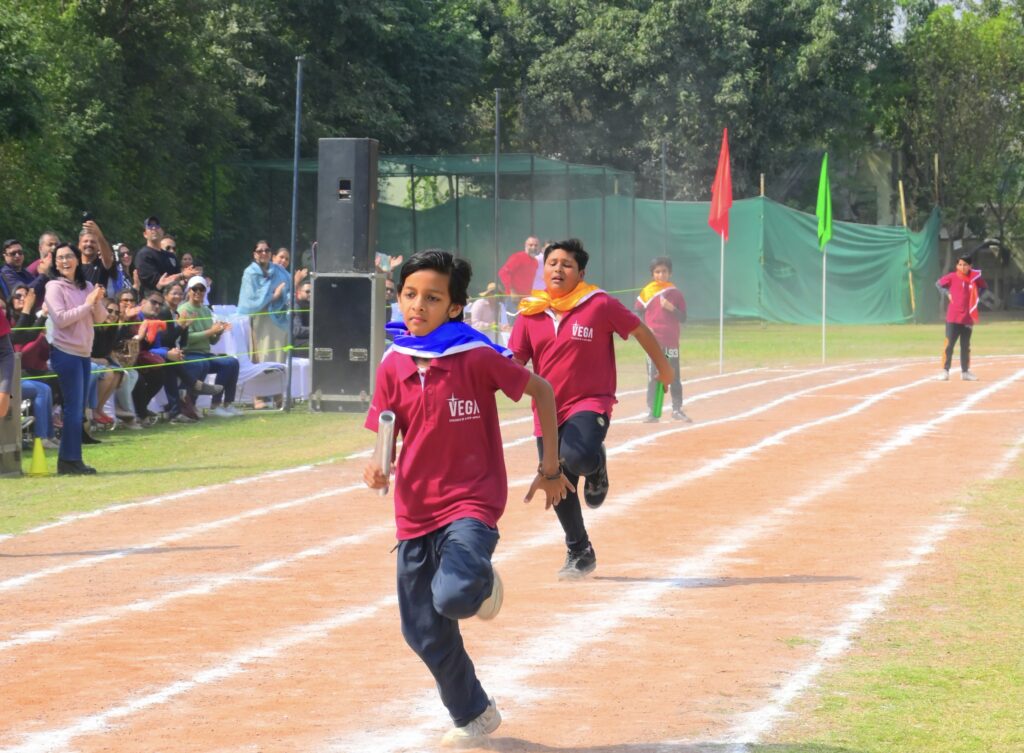
Grit isn’t about winning every game or never feeling disappointed. Instead, it is the ability to keep working towards something even when it becomes difficult. A child who loses a match and returns to practise the next day is building grit. So is the child who struggles to learn a new skill but keeps trying.
Sports create a natural environment for children to practise this mindset because results are immediate. You win. You lose. You make a mistake. You try again.
Tournaments Turn Challenges Into Experiences
Regular practice teaches skills, but tournaments add something different: a real challenge.
During a school tournament, children have to make decisions quickly, manage their emotions and respond when things don’t go their way. They may miss a shot, lose a point or fall behind in a race.
However, the game continues. That simple experience teaches an important lesson: one mistake doesn’t have to decide what happens next. Children learn to regroup, adapt and focus on the next opportunity. Over time, these small experiences can strengthen resilience far beyond the sports field.
Learning to Win and Lose
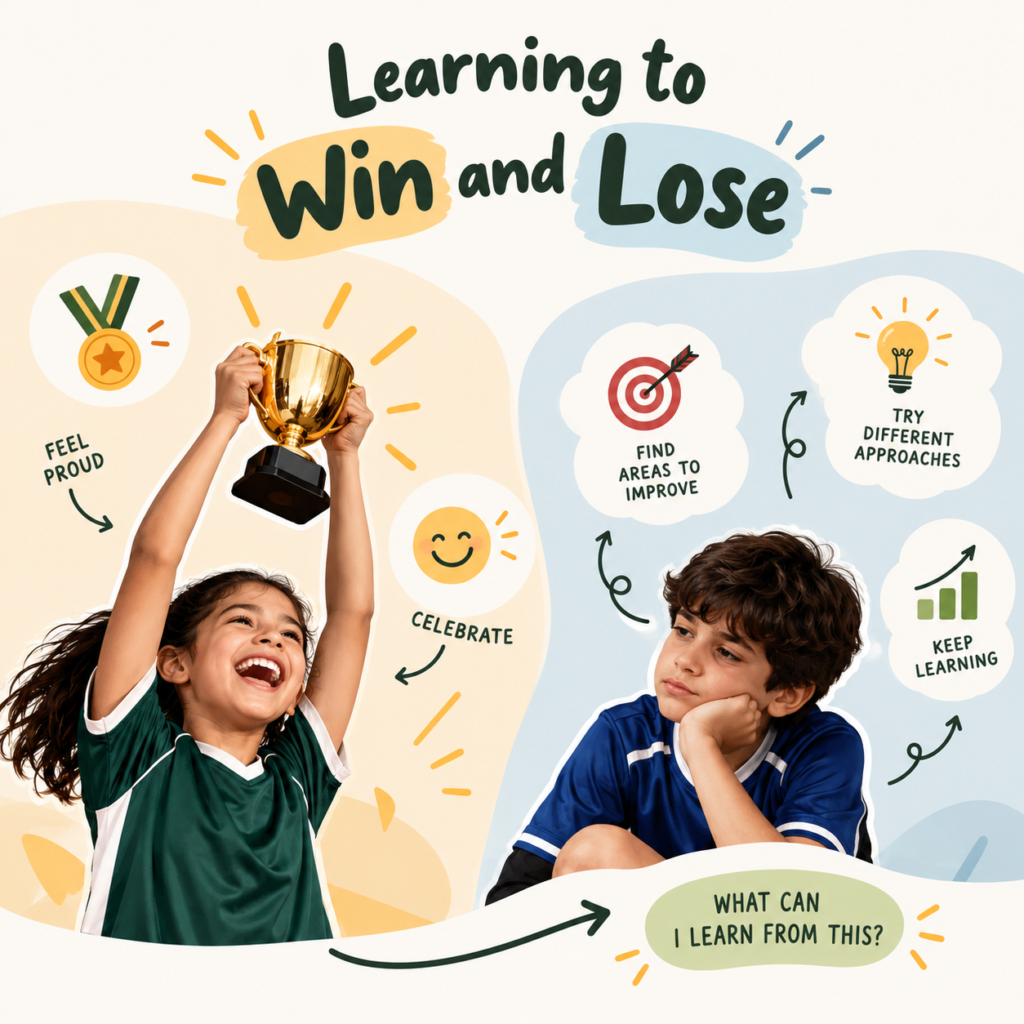
Winning feels great. Children celebrate, feel proud and enjoy seeing their hard work pay off. But losing can teach just as much.
A tournament gives children a safe space to experience disappointment. They learn that losing doesn’t mean they aren’t capable. Instead, it can show them where they can improve and what they might try differently next time. With the right support from teachers and coaches, children can learn to ask, “What can I learn from this?” rather than “Why did I fail?”
That shift can change how they approach challenges in school and beyond.
More Than an Individual Game
Sports tournaments also teach children that resilience doesn’t always happen alone. A team may lose together, celebrate together and practise together. Players learn to communicate, trust one another and take responsibility for their role.
Sometimes, resilience looks like encouraging a teammate who has made a mistake. At other times, it means accepting feedback or putting the team’s needs before your own. These experiences build collaboration, empathy and confidence while helping children understand that progress often comes from working with others.
A Vega Schools Perspective
At Vega Schools, sports are an important part of creating well-rounded learners. Through sports and movement-based experiences, children get opportunities to challenge themselves, work with others and discover what they are capable of.
School tournaments add another layer to this experience. They bring together preparation, competition and teamwork, giving learners a chance to put their skills into practice in a real situation. As a progressive CBSE school in Gurgaon, Vega Schools believes that meaningful learning doesn’t happen only inside a classroom. It can happen on a sports field, during a team discussion or in the moments after a difficult loss.
The goal isn’t simply to create better athletes. It is to help children become confident learners who can face challenges, recover from setbacks and keep moving forward.
What Parents Can Do
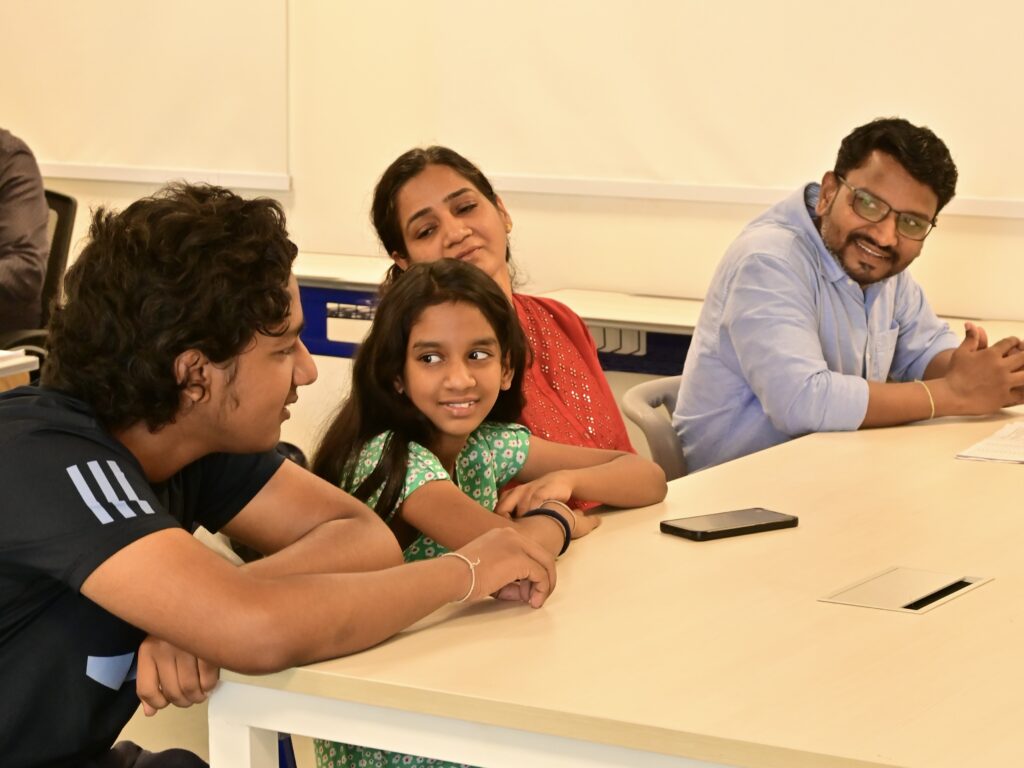
Parents don’t need to focus only on the final score. Instead, ask questions that help children reflect on the experience:
- What was your favourite part of the tournament?
- What did you find difficult?
- What would you try differently next time?
- Did you help someone on your team?
- What are you proud of?
These conversations help children see sport as more than competition. They begin to recognise the effort, courage and growth behind every game. A tournament may end when the final whistle blows, but the lessons can stay with a child for much longer. The confidence to try again, the courage to face a setback and the grit to keep going — sometimes, that’s the real victory.
Curious how Vega Clubs help learners discover their passion? Explore admissions at Vega Schools, a CBSE school in Gurgaon with campuses in Sector 48 and Sector 76 Gurugram.