
- Your child comes home with an assignment that isn’t a worksheet.
- It’s a question: “Why do some materials float and others sink?” No answer key.
- For parents used to checking homework against a textbook, this shift can feel disorienting.
- But inquiry-based learning, the backbone of Project-Based Learning (PBL) and Problem-Based Learning (PrBL), asks something different of home support: curiosity over correction.
- Why Inquiry-Based Homework Looks Different Traditional homework reinforces what was taught.
Your child comes home with an assignment that isn’t a worksheet. It’s a question: “Why do some materials float and others sink?” No answer key. No formula to memorise. Just… inquiry.
For parents used to checking homework against a textbook, this shift can feel disorienting. But inquiry-based learning, the backbone of Project-Based Learning (PBL) and Problem-Based Learning (PrBL), asks something different of home support: curiosity over correction.
Why Inquiry-Based Homework Looks Different
Traditional homework reinforces what was taught. Inquiry-based tasks extend it, pushing children to investigate, question, and connect ideas across subjects.
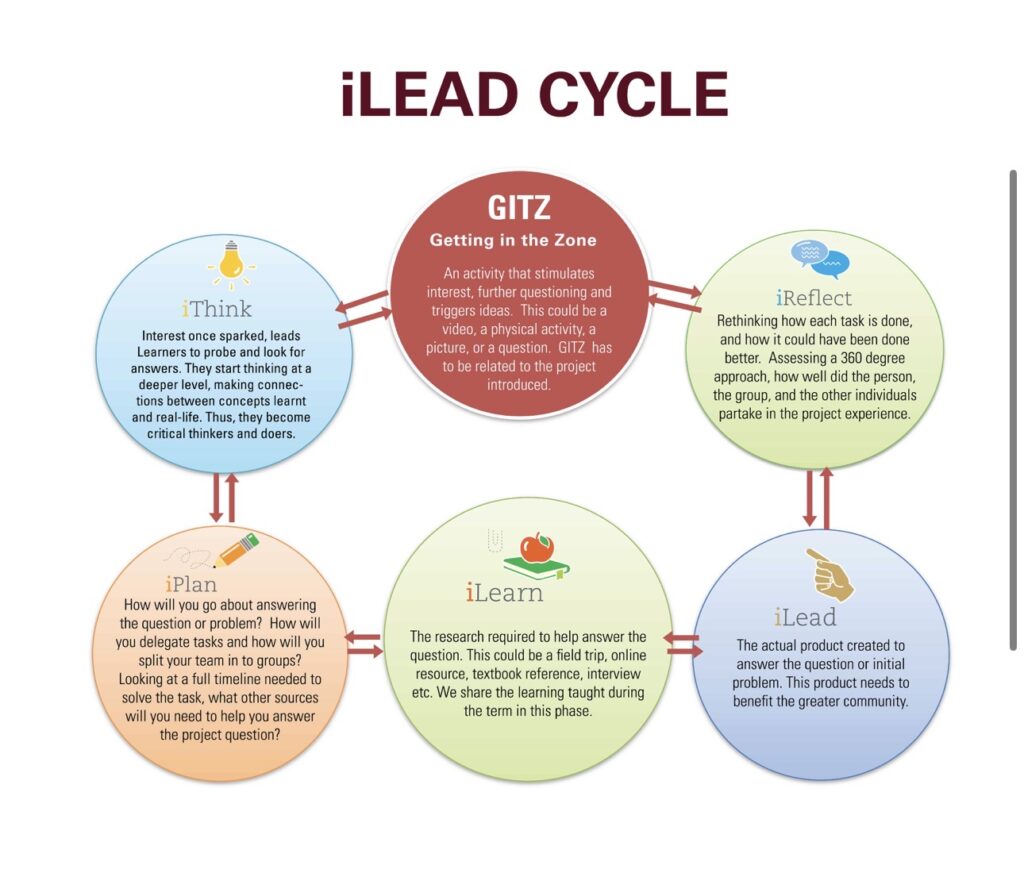
At Vega Schools, this approach ties directly into the iLEAD Cycle, where students identify problems, explore, act, and reflect. Homework becomes a continuation of that cycle, not a break from it.
The Real Challenge for Parents
Most parents aren’t struggling with the subject. They’re struggling with their role. Do you answer the question? Guide them? Step back entirely?
Here’s the shift: your job isn’t to provide answers, it’s to sharpen the questions.
6 Ways to Bridge Inquiry-Based Learning at Home
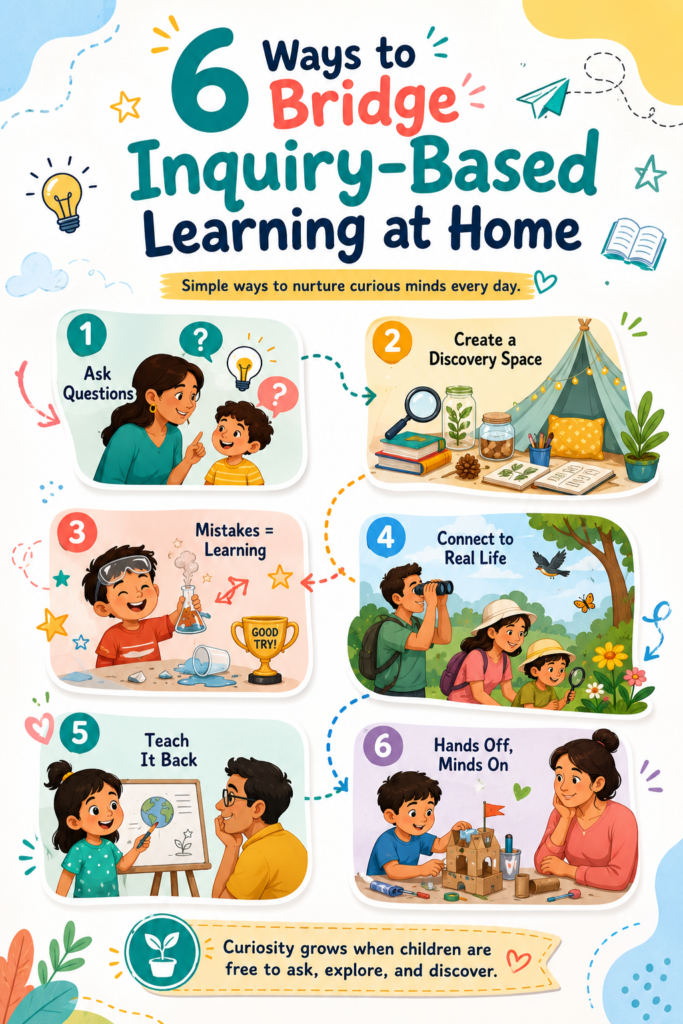
- Ask, don’t tell.
Instead of “It’s because of density,” try “What do you notice about the two objects?” Let them build the reasoning. - Create a low-pressure exploration space.
A corner with basic supplies, paper, containers, magnifying glasses, encourages hands-on testing without needing a “lab.” - Normalise wrong answers.
Inquiry thrives on trial and error. Celebrate the attempt, not just the correct outcome. - Connect it to real life.
If they’re studying ecosystems, take a walk and spot examples. Real-world links make abstract ideas stick. - Let them explain it back to you.
Ask your child to “teach” you what they learned. This reveals gaps and builds confidence, a technique closely aligned with how Learning Leaders reinforce concepts in class. - Resist the urge to finish it for them.
A messy, child-led project reflects more learning than a polished, parent-corrected one.
Traditional Homework vs. Inquiry-Based Homework
| Aspect | Traditional Homework | Inquiry-Based Homework |
|---|---|---|
| Goal | Practice known concepts | Explore open questions |
| Parent role | Check accuracy | Guide thinking |
| Outcome | Right/wrong answer | Process and reasoning |
| Best support | Explaining rules | Asking follow-up questions |
When Your Child Gets Stuck
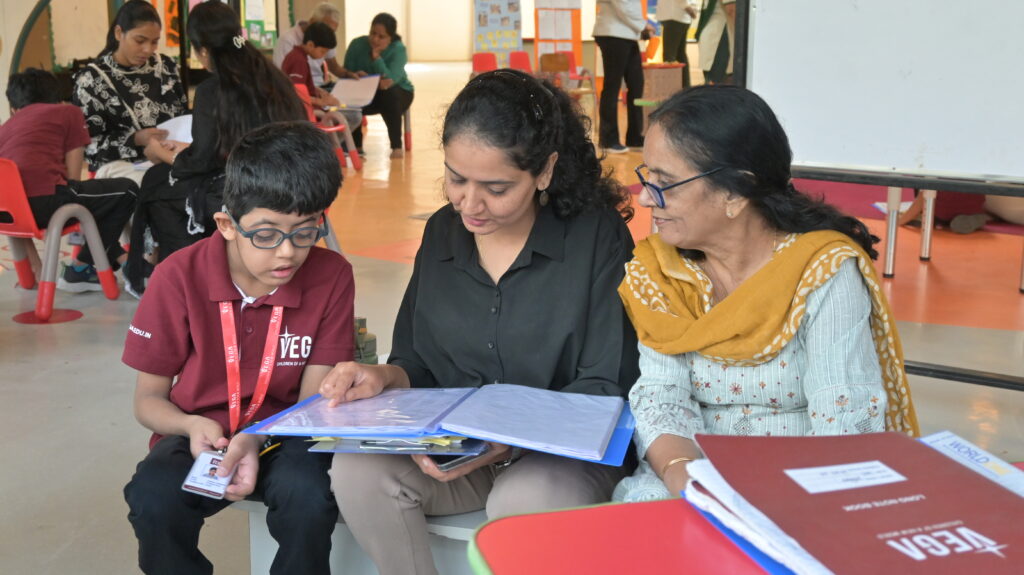
Stuck isn’t a signal to intervene, it’s part of the process. Try this sequence:
- Pause and let them sit with the confusion for a minute.
- Ask what they’ve already tried.
- Suggest they revisit their notes or class resources.
- Only offer a hint, never the full answer.
This mirrors how programmes like GITZ and Tinypreneurs are designed, students learn to sit with ambiguity before reaching for solutions.
A Small Mindset Shift Makes a Big Difference
You don’t need a background in education to support inquiry-based learning. You need patience, curiosity, and a willingness to say, “I don’t know, let’s find out together.”
That sentence, more than any answer key, is what builds independent thinkers.
FAQs
Q1. What is inquiry-based learning?
A method where students learn by investigating questions and problems rather than memorising facts.
Q2. How is this different from regular homework help?
It focuses on guiding thinking, not providing correct answers.
Q3. Should parents know the subject well to help?
No. Curiosity and good questions matter more than subject expertise.
Q4. What if my child feels frustrated?
Some struggle is normal. Encourage breaks, not immediate answers.
Q5. How does this connect to school learning?
It reinforces classroom frameworks like PBL and the iLEAD Cycle at home.
The Little Investigator Quiz
Think like a curious explorer! Answer 5 fun questions and collect your stars.