
- As a new academic session begins, students have a fantastic opportunity to reset their routines and develop habits that promote efficient learning.
- The transition between sessions is more than just a break; it is a time for students to develop skills that will help them succeed both academically and personally.
- At Vega Schools in Gurgaon, the emphasis is on developing self-sufficient learners who are curious, confident, and prepared for future challenges.
- Students who develop smart learning habits early on can enter the next session with clarity, motivation, and a positive attitude.
- One of the most effective habits students can build is maintaining a regular study schedule.
As a new academic session begins, students have a fantastic opportunity to reset their routines and develop habits that promote efficient learning. The transition between sessions is more than just a break; it is a time for students to develop skills that will help them succeed both academically and personally. At Vega Schools in Gurgaon, the emphasis is on developing self-sufficient learners who are curious, confident, and prepared for future challenges. Students who develop smart learning habits early on can enter the next session with clarity, motivation, and a positive attitude.
1. Establish a consistent study routine.
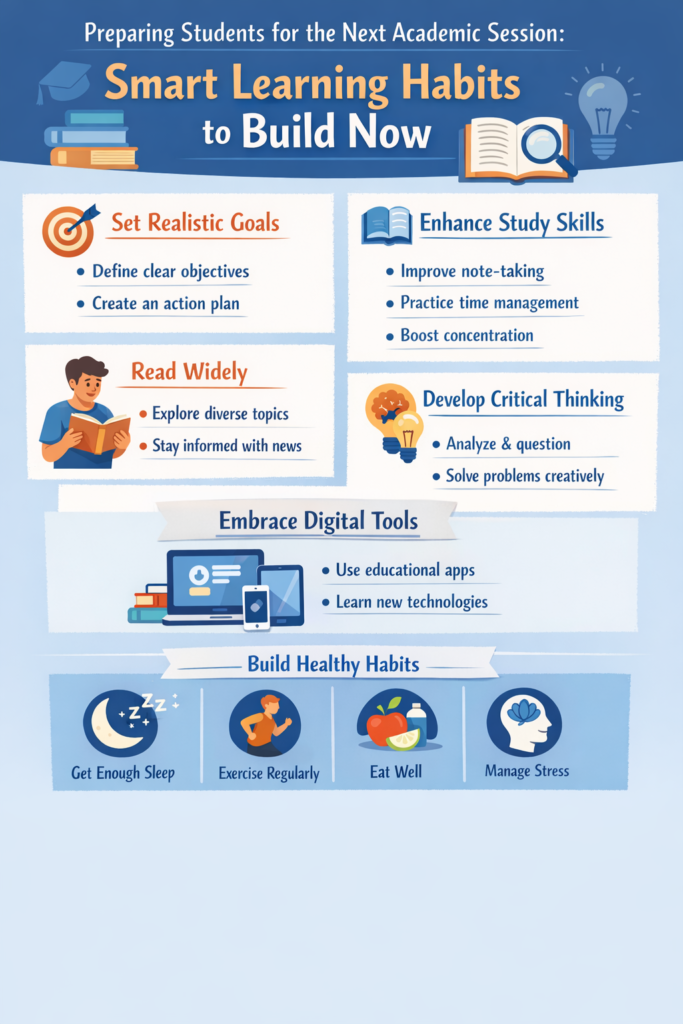
One of the most effective habits students can build is maintaining a regular study schedule. Setting aside a specific time each day for revision or reading helps the brain adapt to a learning rhythm. A structured routine improves concentration and reduces last-minute stress during exams. Even during breaks, spending a small amount of time daily on productive learning keeps students mentally engaged.
2. Develop strong reading habits.
Regular reading is an effective tool for academic growth. It strengthens vocabulary, comprehension, and critical thinking abilities. Students should be encouraged to read books besides textbooks, such as fiction, biographies, science articles, and educational magazines. This not only improves language skills but also broadens their worldview.
3. Engage in Active Learning.
Instead of passive memorisation, students benefit more from active learning techniques. Taking notes, summarising key concepts, asking questions, and discussing topics with peers all help to strengthen understanding. Mind maps, flashcards, and concept charts are examples of visual tools that can help students learn more effectively and easily.
4. Set small, achievable goals.
Goal setting is an essential habit for academic success. Students should divide their larger objectives into smaller, more manageable tasks. For example, you could finish a chapter, learn ten new words, or practice math problems every day. Achieving small goals boosts confidence and motivation throughout the academic year.

5. Improve time management skills.
Balancing academics, hobbies, and relaxation is critical to overall development. Students should learn to prioritise tasks and manage their time effectively. Planners, checklists, and digital tools can help them stay organised and meet deadlines without feeling overwhelmed.
6. Focus on well-being and healthy habits.
Learning is inextricably linked to physical and mental well-being. Focus and memory are improved by getting enough sleep, eating well, and exercising on a regular basis. Practising mindfulness or relaxation techniques can also help students manage stress and keep a positive attitude throughout the school year.
Conclusion
Preparing for the next academic session entails not only revising subjects but also developing habits that promote lifelong learning. Students can enter the new school year with confidence and enthusiasm if they are encouraged to follow consistent study routines, engage in active learning, set goals, and live healthy lifestyles. At Vega Schools in Gurgaon, the emphasis on holistic education ensures that students develop the skills, discipline, and curiosity required to thrive both inside and outside of the classroom.
Frequently Asked Questions (FAQ)
1. Why is it critical to establish learning habits before the academic session begins?
Developing learning habits early on allows students to transition smoothly into the new session, improves focus, and reduces academic stress.
2. How much time should students study during school breaks?
Students can stay academically engaged by dedicating 30-60 minutes per day to reading, revising concepts, or practising skills.
3. What are some effective active-learning techniques?
Summarising lessons, creating mind maps, practising quizzes, discussing topics with peers, and teaching concepts to others are some of the techniques.
4. How can parents help their children develop smart learning habits?
Parents can establish a structured routine, provide a quiet study environment, promote reading, and recognise their child’s efforts and progress.
5. Do extracurricular activities promote learning?
Yes, extracurricular activities foster creativity, teamwork, and problem-solving abilities, which aid in academic and personal development.
Vega Schools offers holistic education to children in Delhi NCR and is rated among the top Schools in Gurgaon. Its modern infrastructure, facilities, and experienced teachers are a big asset to the learning & development of students, be it for Nursery, Primary or Senior children making Vega Schools the best schools in Gurgaon. For information about admission, please visit the Vega Schools campuses in Sector 48 and Sector 76 Gurugram. Get the best education for you child in New Gurgaon and be part of the top school infrastructure for sector 78, Sector 83, Sector 85, Sector 90, Sector 102, Sector 106 in Gurgaon, near Dwarka Expressway.