
We live in an era where information is abundant, instant, and often overwhelming. From social media feeds and viral videos to news alerts and AI-generated content, children and adults alike are constantly exposed to a flood of information. While access to knowledge has never been easier, the ability to judge its accuracy, relevance, and intent has become increasingly difficult. This is where digital discipline plays a crucial role. Teaching critical thinking in the age of information overload is no longer optional; it is an essential life skill that empowers individuals to navigate the digital world thoughtfully and responsibly.
The Problem of Information Overload
When there is more content than we can efficiently digest, we experience information overload. This may result in passive consumption, confusion, and false knowledge for younger students. Sensational or emotionally charged content is frequently given priority by algorithms, making it more difficult to discern between opinions and facts or truth and manipulation. Without supervision, kids could disseminate unreliable information, take what they see online at face value, or develop ideas based on biased or inadequate sources.
Digital Discipline: What Is It?
Digital discipline entails teaching thoughtful, deliberate, and moral use of digital platforms rather than just limiting access to technology. It entails establishing limits on screen usage, promoting deliberate participation, and cultivating behaviours that encourage introspection as opposed to reactivity. Fundamentally, digital discipline promotes deeper analysis and slows down consumption to facilitate critical thinking.
Developing Critical Thinking Capabilities
Asking the correct questions is the first step towards critical thinking in the digital era. Kids should be encouraged to inquire as to who produced the content. Why was it made? Is the source reliable? What proof is there for this assertion? Teaching children to double-check information from several trustworthy sources fosters scepticism without turning them into cynics. Lessons in media literacy, such as how to spot clickbait, comprehend algorithms, and spot sponsored content, assist students in transitioning from being passive consumers to active participants.
By talking about current events, analysing internet patterns together, and openly challenging material rather than taking it at face value, parents and educators may set an example of critical thinking. Analytical abilities are further strengthened in the classroom through debates, fact-checking exercises, and project-based study.
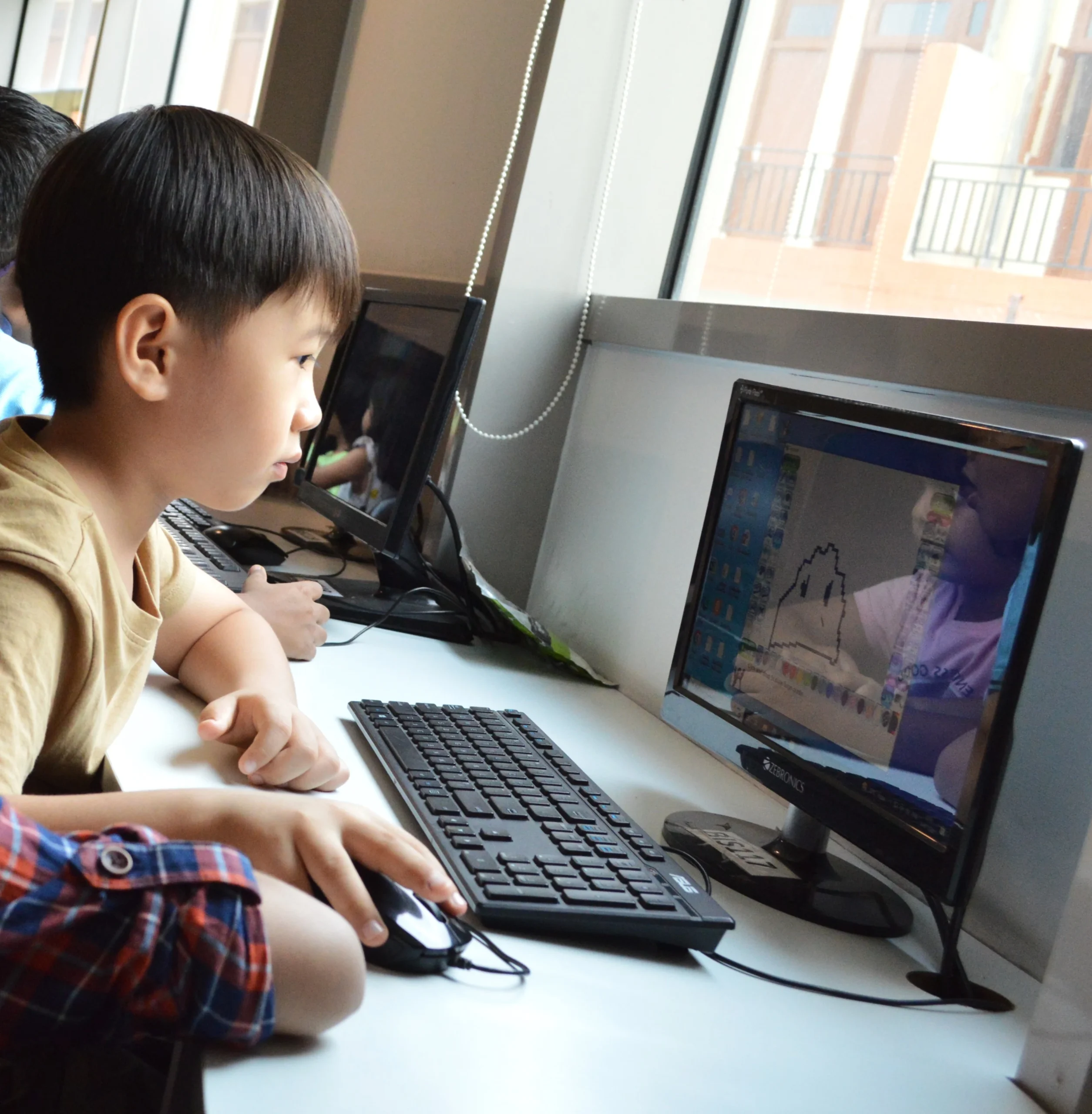
Finding a Balance Between Guidance and Freedom
Balance is a key component of digital discipline. While total freedom might expose kids to dangerous or deceptive content, excessive supervision can restrict their independence. Trust, open communication, and age-appropriate advice are essential. Children are more likely to ask questions and exercise critical thought when they feel comfortable talking about what they see online.
Critical thinking is the most important digital survival skill in an era of information overload. By encouraging ethical online behaviour, questioning habits, and mindful consumption, digital discipline offers the framework required to develop this talent. Children are better equipped to manage the digital world with confidence, clarity, and accountability when we purposefully educate them how to think rather than what to believe. The next generation can turn knowledge overload into well-informed comprehension if they are equipped with critical thinking skills.
Vega Schools offers holistic education to children in Delhi NCR and is rated among the top Schools in Gurgaon. Its modern infrastructure, facilities, and experienced teachers are a big asset to the learning & development of students, be it for Nursery, Primary or Senior children making Vega Schools the best schools in Gurgaon. For information about admission please visit the Vega Schools campuses in Sector 48 and Sector 76 Gurugram.