
- A child’s personality, capacity for learning, and general well-being are all significantly influenced by their emotional development.
- Schools are in charge of fostering children’s emotional intelligence in addition to their academic development in the rapidly evolving world of today.
- From early curiosity to lasting confidence, supporting emotional development in school children helps them build resilience, empathy, and self-awareness—skills that are essential for lifelong success.
- Recognising Children’s Emotional Development The ability of a kid to effectively identify, communicate, and regulate their emotions is referred to as emotional development.
- Children encounter changing social settings, difficulties, and expectations during their school years.
A child’s personality, capacity for learning, and general well-being are all significantly influenced by their emotional development. Schools are in charge of fostering children’s emotional intelligence in addition to their academic development in the rapidly evolving world of today. From early curiosity to lasting confidence, supporting emotional development in school children helps them build resilience, empathy, and self-awareness—skills that are essential for lifelong success.
Recognising Children’s Emotional Development
The ability of a kid to effectively identify, communicate, and regulate their emotions is referred to as emotional development. Children encounter changing social settings, difficulties, and expectations during their school years. These encounters affect their ability to handle stress, form connections, and grow in self-worth.
Children can safely explore their emotions in a supportive school setting, where they also learn how to balance successes and losses.
The Function of Education in Fostering Emotional Self-Belief
Schools are crucial in assisting kids in developing into self-assured adults from curious learners. Children engage more fully in class activities and grow in their ability to interact with others when they feel emotionally safe.
Students feel appreciated when their teachers model kindness, open communication, and emotional intelligence. Group talks, role-playing, storytelling, and cooperative projects are examples of activities that improve empathy and emotional expression.
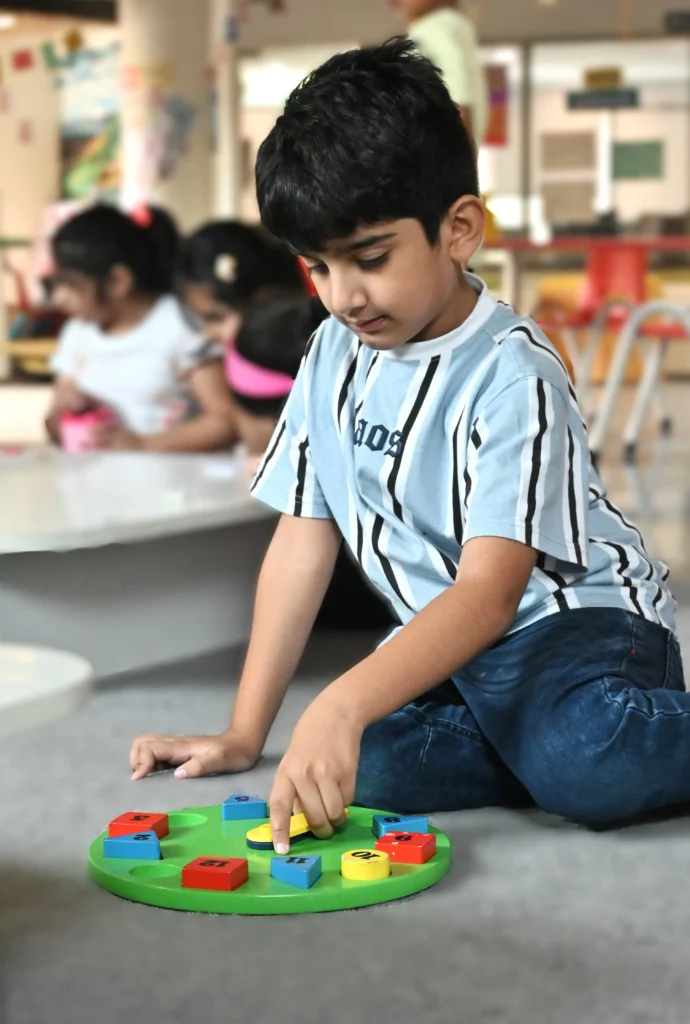
Promoting Inquisitiveness Through Emotional Security
The basis of learning is curiosity. Children may only freely explore, though, when they are not afraid of being judged or of failing. When teachers establish nurturing environments where mistakes are viewed as a necessary part of learning, schoolchildren’s emotional development improves.
Children gain confidence in their skills and cultivate a good attitude toward learning when they are encouraged to share their ideas and ask questions.
Emotional Intelligence and Social Skills
Children with high emotional intelligence are better able to relate to others and form wholesome bonds. Children learn vital life skills like patience, cooperation, and respect in schools that emphasise teamwork, peer interaction, and conflict resolution.
Emotional well-being is greatly enhanced by programs that incorporate mindfulness, value-based education, and classroom bonding exercises.
How Teachers and Parents Can Encourage Emotional Development
Collaboration between families and schools promotes the best emotional development. Active listening, acknowledging emotions, and promoting problem-solving techniques rather than punishment are all ways that parents can help their kids.
By praising students’ efforts, offering constant direction, and assisting kids in coping with stress during tests or social situations, teachers can support emotional development.
In conclusion
Schoolchildren’s emotional development is a journey that influences their future learning, relationships, and mental health, starting with curiosity and ending with confidence. Children who attend schools that value their emotional health in addition to their academic performance grow up to be resilient, self-assured, and kind people. Early emotional intelligence development equips pupils to succeed in the classroom and in life.
FAQs
Q1. Why is it crucial for schoolchildren to develop emotionally?
Children who are emotionally developed are better able to control their emotions, gain self-assurance, and form enduring social bonds.
Q2. How can educational institutions promote mental health?
Group activities, emotional learning programs, and supportive teachers can all help schools foster emotional safety.
Q3. How do academic success and emotional intelligence relate to each other?
Youngsters with high emotional intelligence perform better academically because they manage stress better and engage in activities more.
Q4. What role may parents play in fostering emotional growth?
Parents can assist by listening, promoting candid communication, and helping kids through difficult times.
Q5. What kinds of activities help kids enhance their emotional intelligence?
Activities that foster peer connection, teamwork, role-playing, mindfulness, and storytelling are all very successful.
Vega Schools offers holistic education to children in Delhi NCR and is rated among the top Schools in Gurgaon. Its modern infrastructure, facilities, and experienced teachers are a big asset to the learning & development of students, be it for Nursery, Primary or Senior children making Vega Schools the best schools in Gurgaon. For information about admission, please visit the Vega Schools campuses in Sector 48 and Sector 76 Gurugram. Get the best education for you child in New Gurgaon and be part of the top school infrastructure for sector 78, Sector 83, Sector 85, Sector 90, Sector 102, Sector 106 in Gurgaon, near Dwarka Expressway.