
- For kids, playtime is much more than just a leisure activity; it is the basis for their learning, emotional expression, and understanding of the world.
- Children express their ideas, anxieties, pleasures, and comprehension of connections through imaginative play.
- A child’s play can provide important information about their social, emotional, and cognitive development.
- How Parents Can Promote Purposeful Play By offering time, space, and basic things like blocks, art supplies, or common household objects, parents may encourage healthy, imaginative play.
- Allowing boredom and restricting screen time might inspire creativity.
For kids, playtime is much more than just a leisure activity; it is the basis for their learning, emotional expression, and understanding of the world. Children express their ideas, anxieties, pleasures, and comprehension of connections through imaginative play. A child’s play can provide important information about their social, emotional, and cognitive development.
How Parents Can Promote Purposeful Play
By offering time, space, and basic things like blocks, art supplies, or common household objects, parents may encourage healthy, imaginative play. Allowing boredom and restricting screen time might inspire creativity. Above all, children feel safer to explore freely when play is observed without frequent reprimand.
Parents learn that a child’s imagination is their natural language of development when they decipher playtime. Children develop the abilities, feelings, and knowledge that will define their future selves through play, which is more than just a way for them to kill time.
Cognitive Development and Imagination
Children actively develop their cognitive abilities when they play pretend. It takes memory, logic, and problem-solving skills to create imaginative worlds, assign roles, and develop plots. A youngster can experiment with real-life situations, learn about cause and effect, and build early planning abilities by pretending to be a teacher or manage a shop, for instance. As kids tell stories, pick up new words, and practice speaking, imaginative play also enhances language development.
Play-Based Emotional Processing
A child’s emotional state is frequently reflected in their play. To make sense of perplexing or overwhelming experiences, kids may act out scenarios from home or school. While role-playing family situations may show how they view relationships, a youngster who plays “doctor” frequently may be coping with worry related to a recent sickness. Children can express their feelings in a safe and regulated setting through play, which aids in the development of emotional resilience and self-control.
Relationship Building and Social Skills
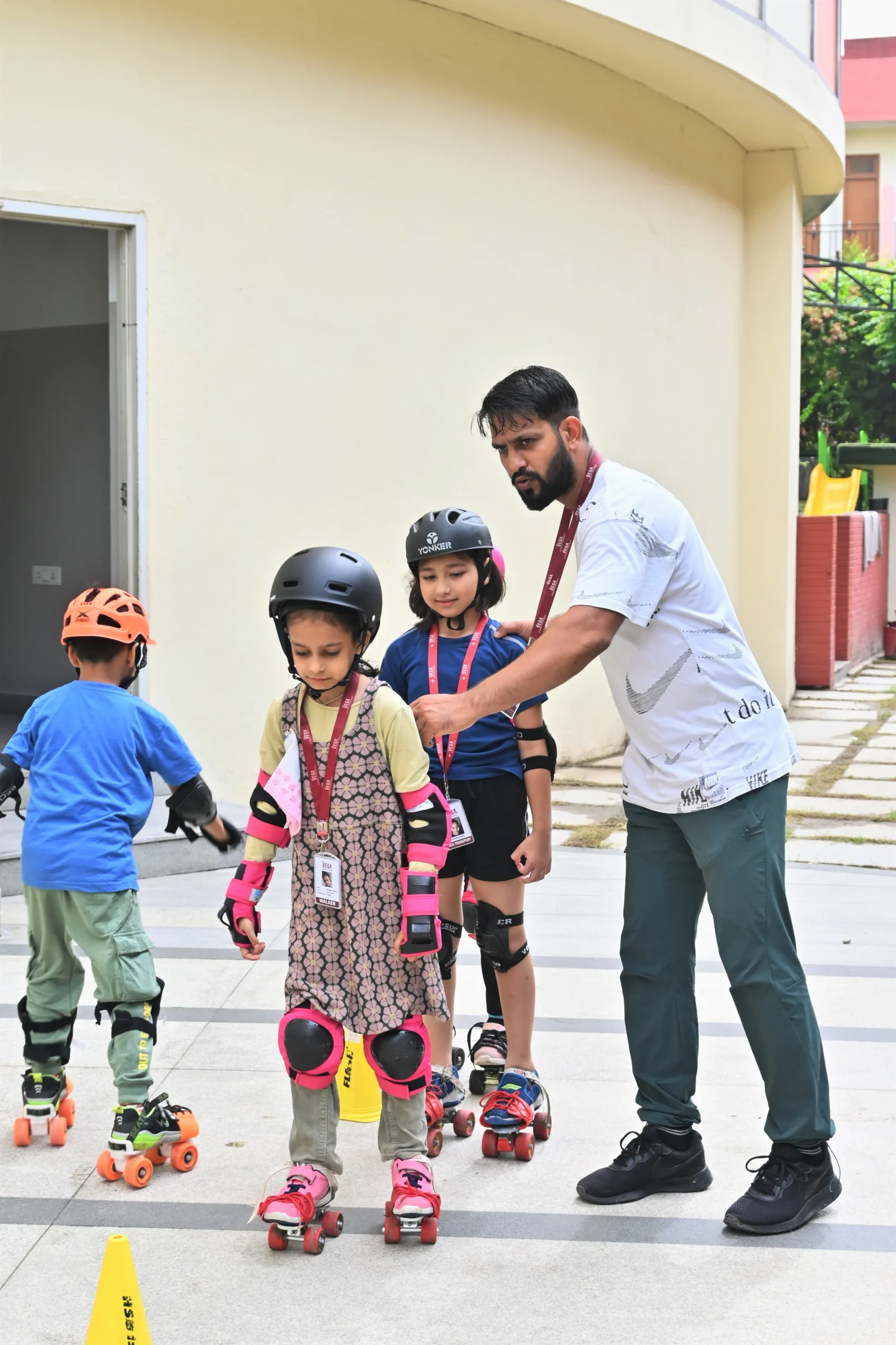
Playing in groups is a potent sign of social growth. Children learn collaboration and empathy through sharing toys, negotiating rules, taking turns, and settling disputes. By assuming the roles of others, imaginative group activities can assist kids in understanding various viewpoints. Even solo play has significance; it frequently demonstrates self-reliance, concentration, and inventiveness, particularly in kids who want to construct, sketch, or tell stories by themselves.
Moral Knowledge and Principles
Children’s growing understanding of good and evil is often reflected in their play. Games with heroes, villains, justice, or rescue operations show how kids understand moral ideas. They start to comprehend justice, accountability, and consequences, frequently reflecting the ideals they see around them.
Independence, self-assurance, and inventiveness
Unstructured play fosters decision-making and creativity. Children learn to trust their ideas and instincts when they create their own games without adult guidance. This promotes independence and self-assurance, two traits necessary for flexibility and lifetime learning.
A child’s inner world can be powerfully revealed through playtime. Children use their imaginations to practice real-life scenarios, express their feelings, and explore concepts in ways that seem safe and natural to them. Every game, whether played alone or with others, advances their moral development, social awareness, emotional equilibrium, and cognitive development.
Vega Schools offers holistic education to children in Delhi NCR and is rated among the top Schools in Gurgaon. Its modern infrastructure, facilities, and experienced teachers are a big asset to the learning & development of students, be it for Nursery, Primary or Senior children making Vega Schools the best schools in Gurgaon. For information about admission please visit the Vega Schools campuses in Sector 48 and Sector 76 Gurugram.