
- Vacation is here — and “I’m bored” is honestly the last thing any parent wants to hear.
- But what if those free weeks became the most productive learning time of the year?
- That’s exactly what Project-Based Learning (PBL) makes possible.
- At Vega Schools, PBL isn’t just a classroom strategy — it’s a way of thinking.
- Moreover, the good news is it works brilliantly at home too.
Vacation is here and “I’m bored” is honestly the last thing any parent wants to hear. But what if those free weeks became the most productive learning time of the year? That’s exactly what Project-Based Learning (PBL) makes possible.
At Vega Schools, PBL isn’t just a classroom strategy, it’s a way of thinking. Moreover, the good news is it works brilliantly at home too.
Why Choose PBL Over Screen Time This Vacation?
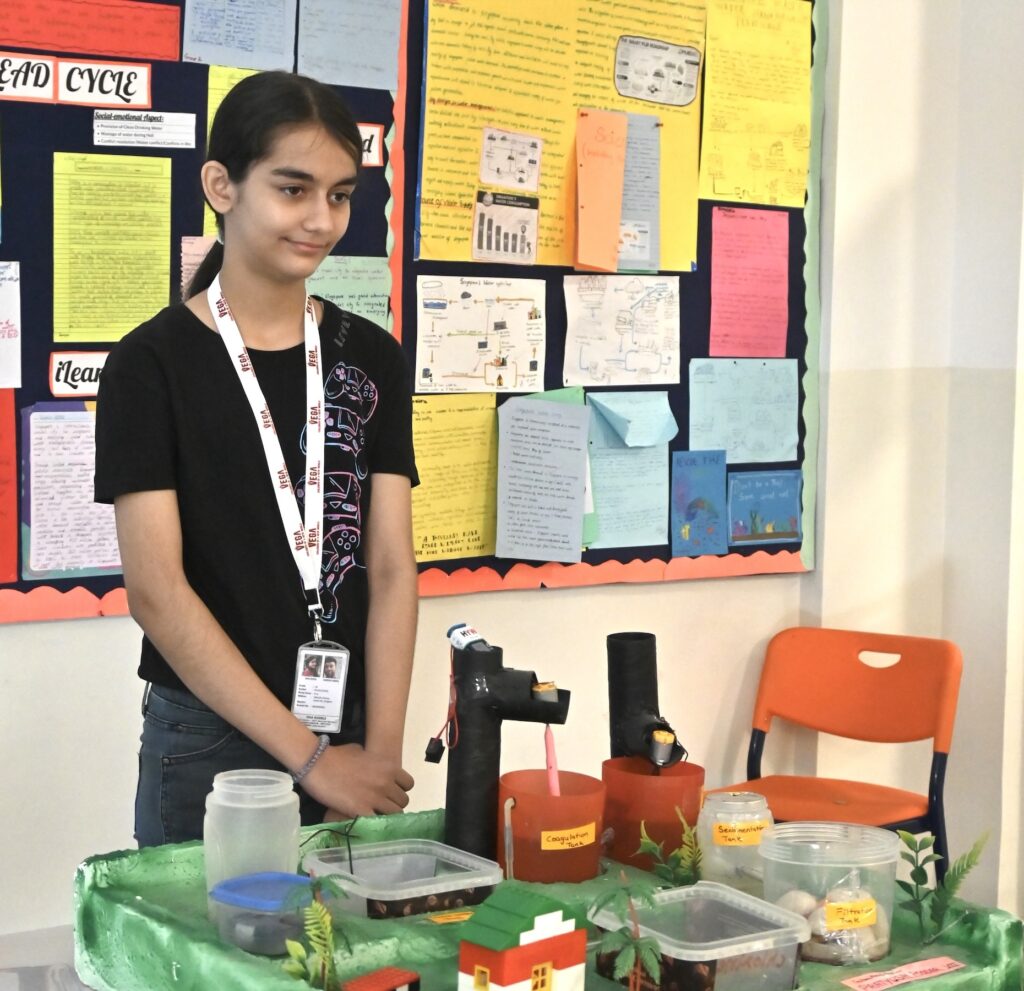
Traditional holiday homework feels like a chore. PBL, on the other hand, feels like an adventure.
It sparks curiosity, critical thinking, and creativity, skills that rote learning simply can’t build. Furthermore, when kids solve real problems through hands-on projects, they remember what they learn and genuinely enjoy the process.
5 Fun PBL Project Ideas for the Holidays
1. 🌱 Build a Mini Garden
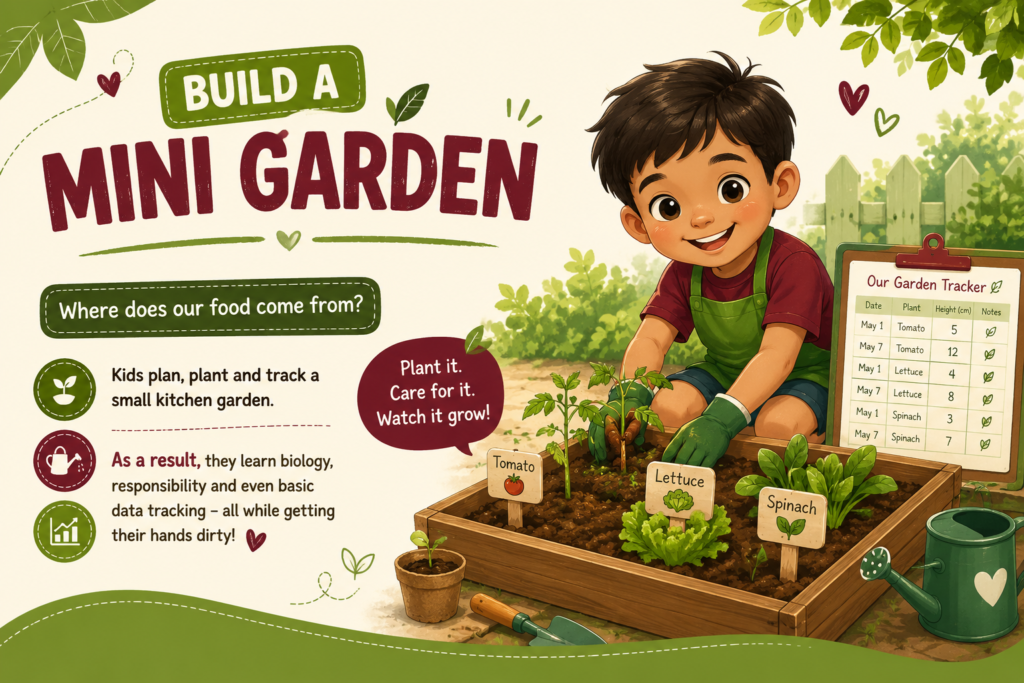
Problem to solve: Where does our food come from? Kids plan, plant, and track a small kitchen garden. As a result, they learn biology, responsibility, and even basic data tracking — all while getting their hands dirty.
2. 💧 Water Conservation Audit
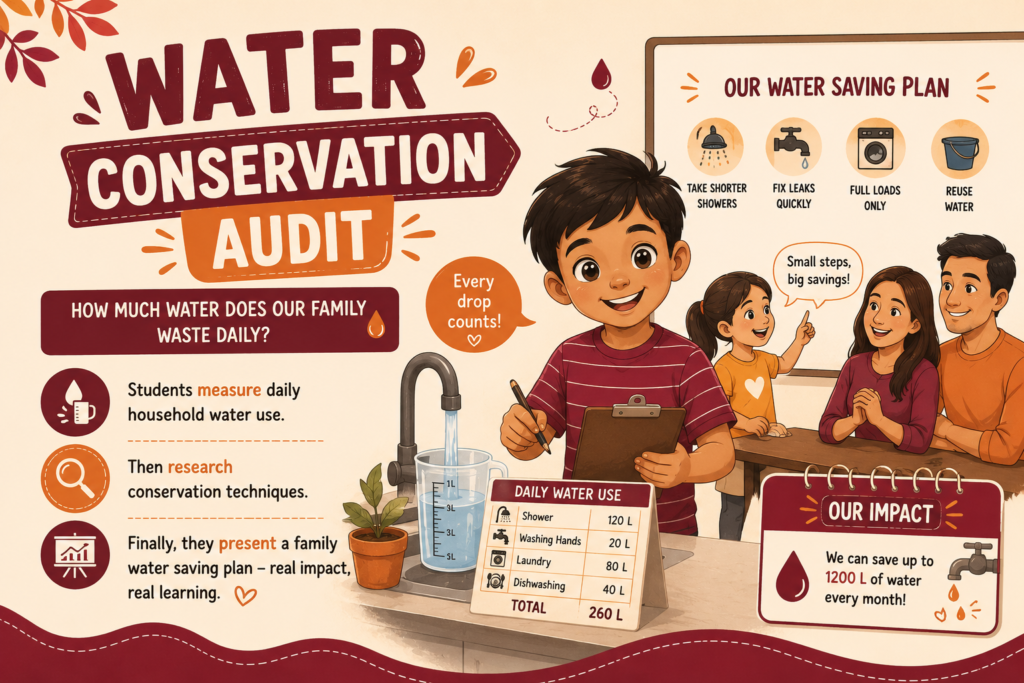
Problem to solve: How much water does our family waste daily? Students measure daily household water use and then research conservation techniques. Finally, they present a family “water-saving plan.” Real impact, real learning.
3. 🗺️ Neighbourhood Map Maker
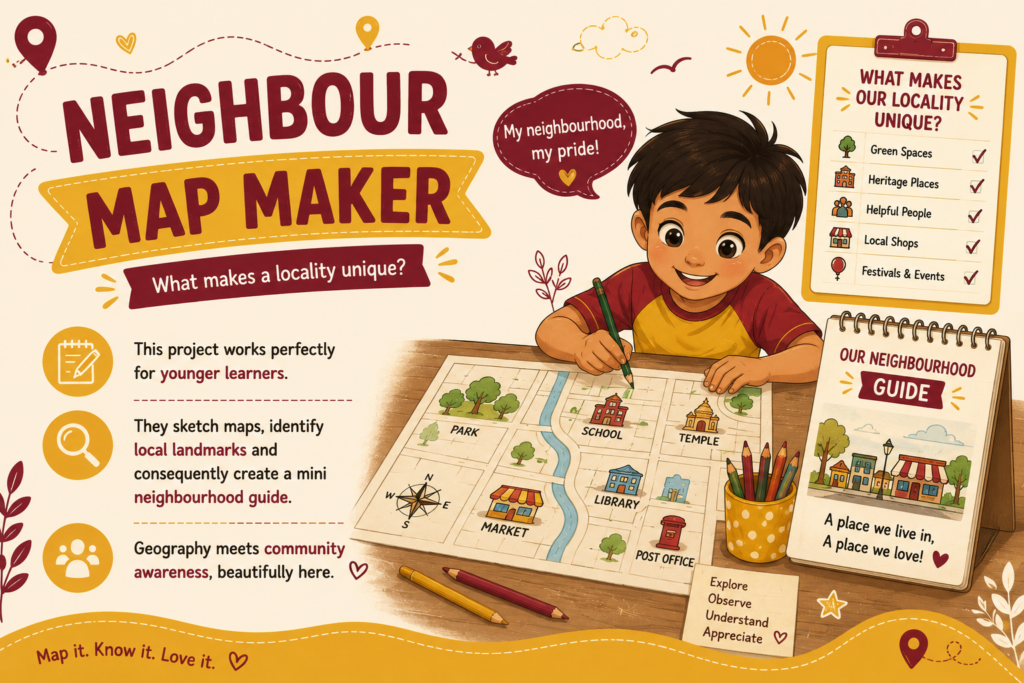
Problem to solve: What makes our locality unique? This project works perfectly for younger learners. They sketch maps, identify local landmarks, and consequently create a mini “neighbourhood guide.” Geography meets community awareness beautifully here.
4. 📰 Family News Channel
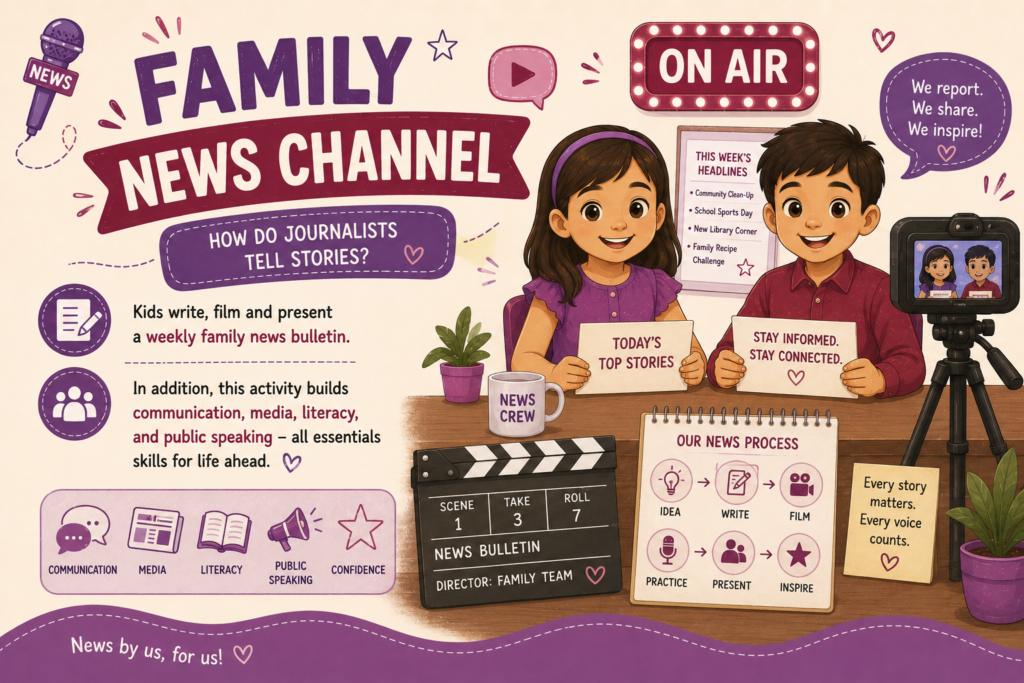
Problem to solve: How do journalists tell stories? Kids write, film, and present a weekly family “news bulletin.” In addition, this activity builds communication, media literacy, and public speaking — all essential skills for life ahead.
5. ♻️ Trash to Treasure Challenge
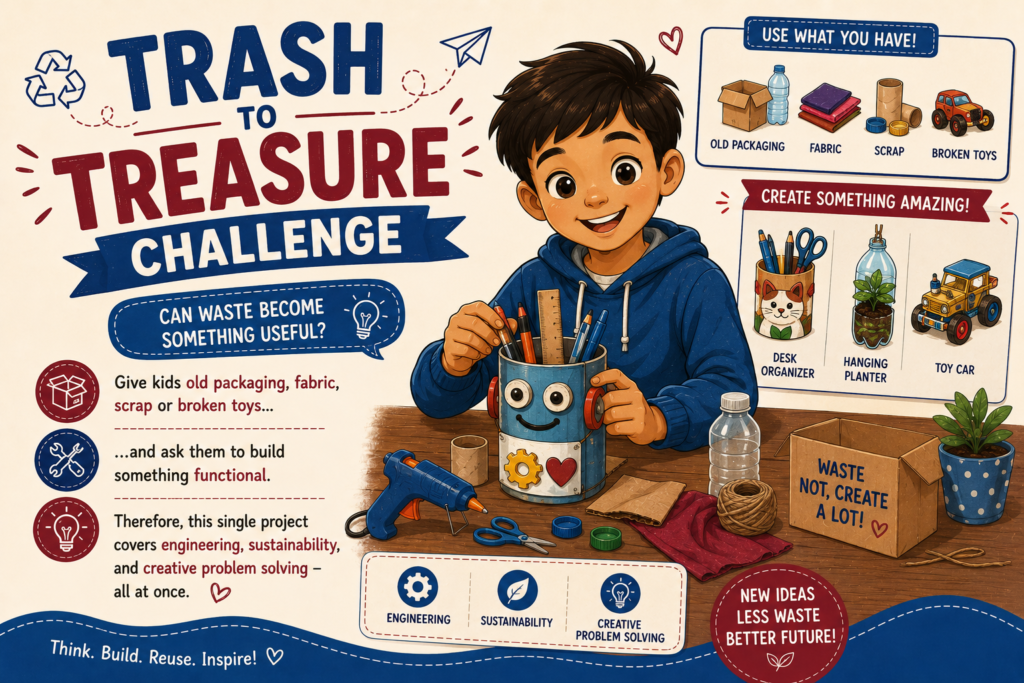
Problem to solve: Can waste become something useful? Give kids old packaging, fabric scraps, or broken toys and ask them to build something functional. Therefore, this single project covers engineering, sustainability, and creative problem-solving all at once.
Quick Reference: Which Project Suits Your Child?
| Age Group | Best PBL Project | Core Skill Built |
|---|---|---|
| 4–6 years | Neighbourhood Map Maker | Observation, creativity |
| 7–9 years | Mini Garden / Trash to Treasure | Science, sustainability |
| 10–12 years | Water Audit / Family News Channel | Research, communication |
| 13+ years | Any + digital presentation layer | Critical thinking, leadership |
The Vega Way: Learning That Truly Sticks
At Vega Schools, PBL works through a unique PrBL methodology, a powerful three-in-one approach that combines Experiential Learning, Project-Based Learning, and Inquiry-Based Learning. Consequently, children don’t just complete tasks — they understand them, connect them to the real world, and own their learning journey with confidence.
When vacation projects mirror this philosophy at home, children return to school sharper and more motivated. In fact, parents often notice a visible boost in their child’s confidence and curiosity after just a few weeks of structured PBL at home.
So this summer, instead of letting boredom win, give your child a problem worth solving. Because the best learning always starts with a great question.
FAQs
Q1. What is PBL and why is it effective for children? PBL has children solve real-world problems through hands-on projects, building deeper understanding and critical thinking compared to rote learning.
Q2. Can PBL projects be done at home without special materials? Absolutely. Most holiday PBL projects use everyday household items, making them accessible and budget-friendly for all families.
Q3. How long should a vacation PBL project take each day? Even 30–60 minutes daily is enough. The key is consistency and letting the child lead at their own pace.
Q4. Are PBL activities suitable for all age groups? Yes — PBL scales in complexity easily. Simple observation tasks suit younger kids, while older students handle research-based challenges confidently.
Q5. How does Vega Schools incorporate PBL into its curriculum? Vega Schools uses its unique PrBL framework — combining project-based, experiential, and inquiry-based learning across all grades — to ensure holistic, future-ready development.
Find Your Child’s Perfect
PBL Project
Answer 5 quick questions and discover the ideal hands-on vacation project — tailored to your child’s age, interests, and learning style.
Step 1