
- Children might quickly develop a fear of making errors in a society that frequently emphasises achievement and perfection.
- Failure can feel embarrassing rather than educational due to social comparisons, academic pressure, and ongoing evaluations.
- However, one of the most important life skills a child may acquire is resilience—the capacity to overcome adversity.
- Children’s perceptions of failure and imperfection are greatly influenced by their parents.
- The manner in which we discuss our mistakes can either increase our courage and self-assurance or increase our dread and self-doubt.
Children might quickly develop a fear of making errors in a society that frequently emphasises achievement and perfection. Failure can feel embarrassing rather than educational due to social comparisons, academic pressure, and ongoing evaluations. However, one of the most important life skills a child may acquire is resilience—the capacity to overcome adversity. Children’s perceptions of failure and imperfection are greatly influenced by their parents. The manner in which we discuss our mistakes can either increase our courage and self-assurance or increase our dread and self-doubt.
Making Imperfection Normal
Children must learn that being imperfect is a normal aspect of being human rather than a defect. Start by telling age-appropriate tales of your own errors and the lessons you took away from them. Children learn that making mistakes does not make one less valuable when parents acknowledge that they are not perfect. Phrases like “Everyone struggles sometimes” or “It’s okay not to get it right the first time” can assist foster a secure emotional environment where kids feel accepted even when they make mistakes.
Reinterpreting Failure as Education
Redefining failure is one of the most effective discussions parents can have. Present it as feedback rather than as a conclusion. “What did you learn from this?” or “What could you try differently next time?” are examples of thoughtful inquiries to pose. This causes the emphasis to change from results to growth. Children are more inclined to attempt new things, take calculated chances, and persevere in the face of difficulties when they perceive failure as a necessary part of the learning process.
Selecting Words Carefully
Mentality is shaped via language. Resilience is increased by praising effort rather than outcomes. Try stating, “I’m proud of how hard you worked,” rather than, “You’re so smart.” This supports the notion that they can manage effort but not perfection. Steer clear of performance-based descriptors like “good” or “bad.” Children have greater emotional security when they understand that love and acceptance are not dependent on achievement.
Letting Kids Face Difficulties
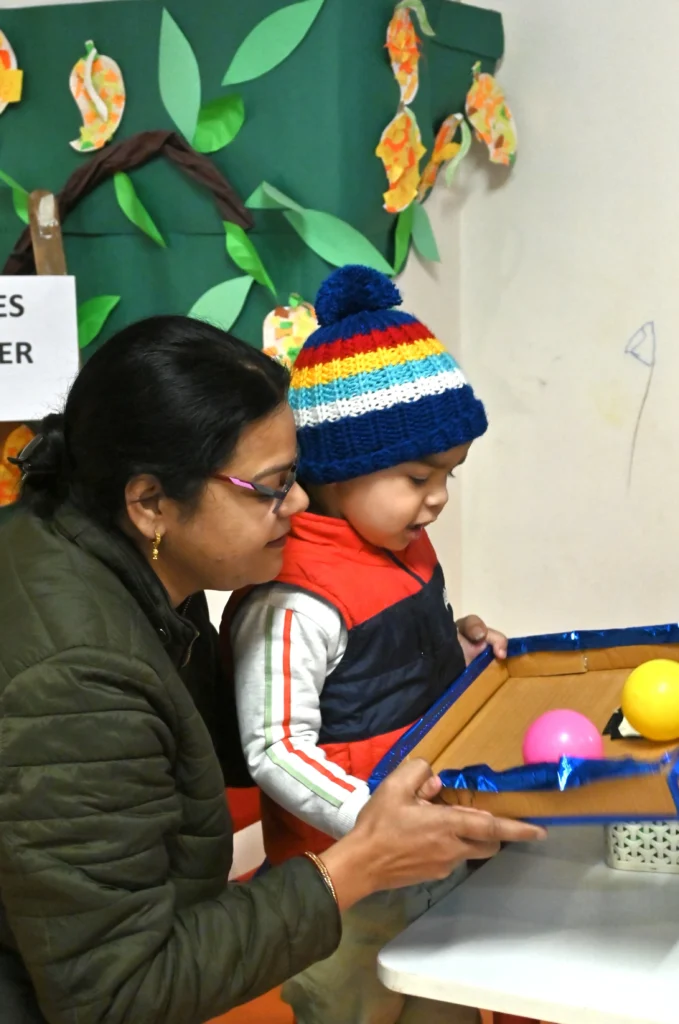
Children cannot build resilience if they are insulated from challenges all the time. Even while it’s normal to want to intervene, letting kids face small setbacks helps them learn how to solve problems and control their emotions. Be there, listen with empathy, and offer guidance without assuming control. “I know this is difficult, but I think you can handle it” conveys confidence in their skills and boosts self-esteem.
Setting an Example of Resilience in Everyday Life
Children pick up far more knowledge from their parents’ actions than from their words. You set a strong example by how you handle stress, errors, and disappointment. Children are taught that obstacles are manageable and significant when adults exhibit introspection, self-compassion, and tenacity. Children naturally pick up these coping mechanisms when their parents exhibit perseverance.
Talking to kids about failure and imperfections helps them develop inner strength rather than decreasing expectations. Parents can support their children’s development of self-assurance and emotional fortitude by normalising mistakes, reframing failure as learning, speaking thoughtfully, and modelling resilience. Resilient children develop into people who are not scared to try, fail, learn, and try again—equipped not only for success but for life in general.
Vega Schools offers holistic education to children in Delhi NCR and is rated among the top Schools in Gurgaon. Its modern infrastructure, facilities, and experienced teachers are a big asset to the learning & development of students, be it for Nursery, Primary or Senior children making Vega Schools the best schools in Gurgaon. For information about admission please visit the Vega Schools campuses in Sector 48 and Sector 76 Gurugram.